→ View our certifications
Stormwater Management
Need stormwater design? Call us today.
Every development project that moves dirt or adds impervious surface triggers some level of stormwater obligation. The question isn’t whether you have stormwater requirements—it’s which regulations govern your project, what treatment controls are feasible on your site, and how to integrate them into your design without blowing up the budget or the site plan.
We design stormwater systems for developers, architects, and public agencies across the Bay Area, Portland, and Hawaii. Our work ranges from 10,000-square-foot commercial redevelopments that barely cross the C.3 threshold to multi-acre institutional campuses with complex hydromodification constraints. Below is a breakdown of what we do and what drives requirements in each context.
Bay Area C.3 and MRP Compliance
The San Francisco Bay Area operates under the Municipal Regional Stormwater NPDES Permit (MRP), administered by the Regional Water Quality Control Board. Provision C.3 of the MRP sets post-construction stormwater requirements that apply to new development and redevelopment projects. Understanding what C.3 actually requires is the starting point for any Bay Area project—the rules are more nuanced than the 10,000-square-foot headline suggests.
The threshold question matters because it determines your entire design obligation. Whether your project triggers C.3 thresholds depends on how much impervious surface you’re creating or replacing, the project category, and in some cases the receiving water body. Auto dealerships, food service facilities, and gas stations have lower thresholds and additional source control requirements. Standalone single-family homes are generally exempt.
For projects that do trigger C.3, we handle the full stormwater design scope: Provision C.3 stormwater compliance means sizing and designing Low Impact Development (LID) treatment controls—typically bioretention cells, flow-through planters, or permeable pavement—that retain 80% of the mean annual runoff volume on site. We work closely with project architects early in site planning so the LID areas are integrated into the landscape design rather than bolted on at the end of CD phase.
Hydromodification Management
Projects that create or replace one acre or more of impervious surface in most Bay Area municipalities also trigger hydromodification requirements. This is separate from and in addition to C.3 LID treatment. A hydromodification management plan (HMP) requires that post-development runoff rates and durations match pre-development conditions across a range of storm frequencies—roughly the 10th-percentile through 10-year storm events. In practice, this means detention facilities sized to attenuate peak flows, not just treat runoff quality.
Sites in C.3 Small Project categories (between 10,000 sq ft and one acre of impervious) typically face treatment-only requirements without the hydromodification layer. We clarify this distinction at project kickoff so you know exactly what you’re designing to before the site plan is locked.
BMP Selection and Sizing
Choosing the right stormwater BMP for a given site is not just a checklist exercise. Infiltration rates, groundwater depth, contaminated soils, available footprint, and utility conflicts all affect which controls are feasible. Our BMP selection guide walks through the tradeoffs—why bioretention works on most urban infill sites, when permeable pavement makes sense for parking structures, and when a vault-based system is the right call for constrained downtown parcels.
Once the BMP type is selected, sizing is the technical core of the work. Sizing a bioretention basin involves calculating the Design Capture Volume (DCV) using the BASMAA methodology, then working backward to media depth, surface area, and underdrain configuration. We size to the permit—not conservatively oversized to pad the design, and not undersized in a way that fails agency review.
Smaller commercial and mixed-use projects that fall below the full C.3 threshold still have obligations under most local jurisdictions. Small project stormwater requirements in the Bay Area typically include source controls, site design measures, and in some cases low-impact measures that do not require a full SWMP. We scope these correctly so you’re not over-engineering a parking lot reseal.
Stormwater Control Plans
Most Bay Area agencies require a Stormwater Control Plan (SWCP) as part of the discretionary or building permit application. A well-prepared stormwater control plan documents the site’s hydrologic conditions, the BMPs selected, sizing calculations, maintenance responsibilities, and long-term maintenance agreements. We prepare SWCPs that are built for agency review—organized, calculation-complete, and written to the specific checklist requirements of the reviewing municipality.
Poorly organized SWCPs draw comments and restart the review clock. We have prepared SWCPs for over two dozen Bay Area cities and counties and know what each agency’s review staff looks for. That institutional knowledge reduces correction rounds.
Market Segments We Serve
Multifamily and Mixed-Use Development
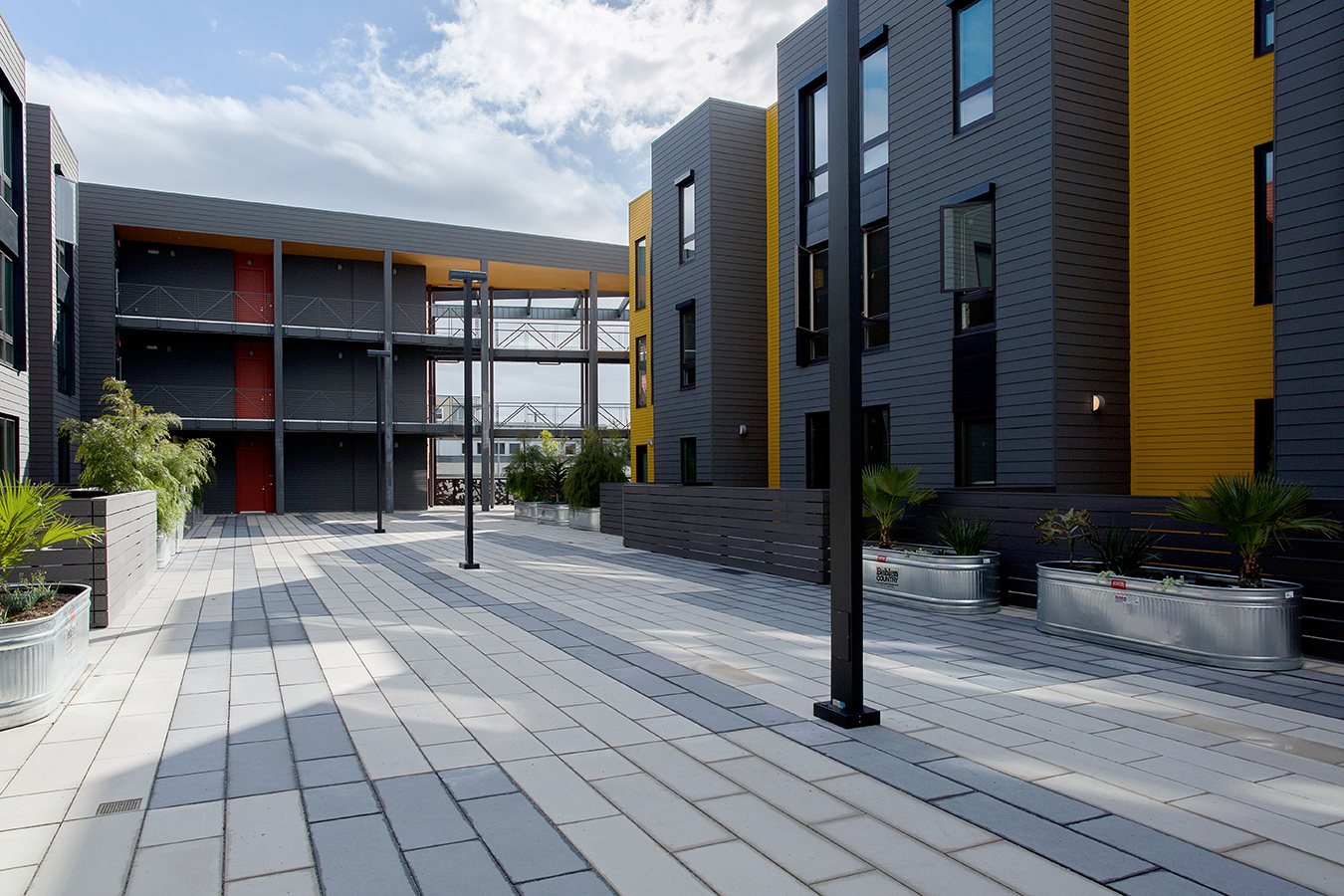
Multifamily projects in the Bay Area frequently hit C.3 thresholds, particularly in Priority Development Areas where density bonuses push projects above one acre of impervious coverage. We design stormwater systems for mid-rise and podium residential projects, integrating bioretention into courtyards, rooftop planter systems, and ground-level landscape setbacks. Affordable housing stormwater compliance presents a particular challenge—funding timelines, reduced contingency budgets, and agency coordination requirements demand early and thorough stormwater planning to avoid costly redesigns during construction document phase.
Industrial and Commercial
Industrial sites carry additional stormwater obligations beyond post-construction LID. Facilities subject to the Industrial General Permit (IGP) under the State’s NPDES program must prepare and implement a Stormwater Pollution Prevention Plan (SWPPP), conduct annual facility inspections, and in some cases monitor discharge quality. Industrial stormwater management in California sits at the intersection of construction-phase SWPPP requirements, post-construction LID design, and ongoing operational compliance. We handle all three phases and can prepare the IGP Notice of Intent (NOI) if the facility is newly subject to permit coverage.
K-12 Schools and Institutional
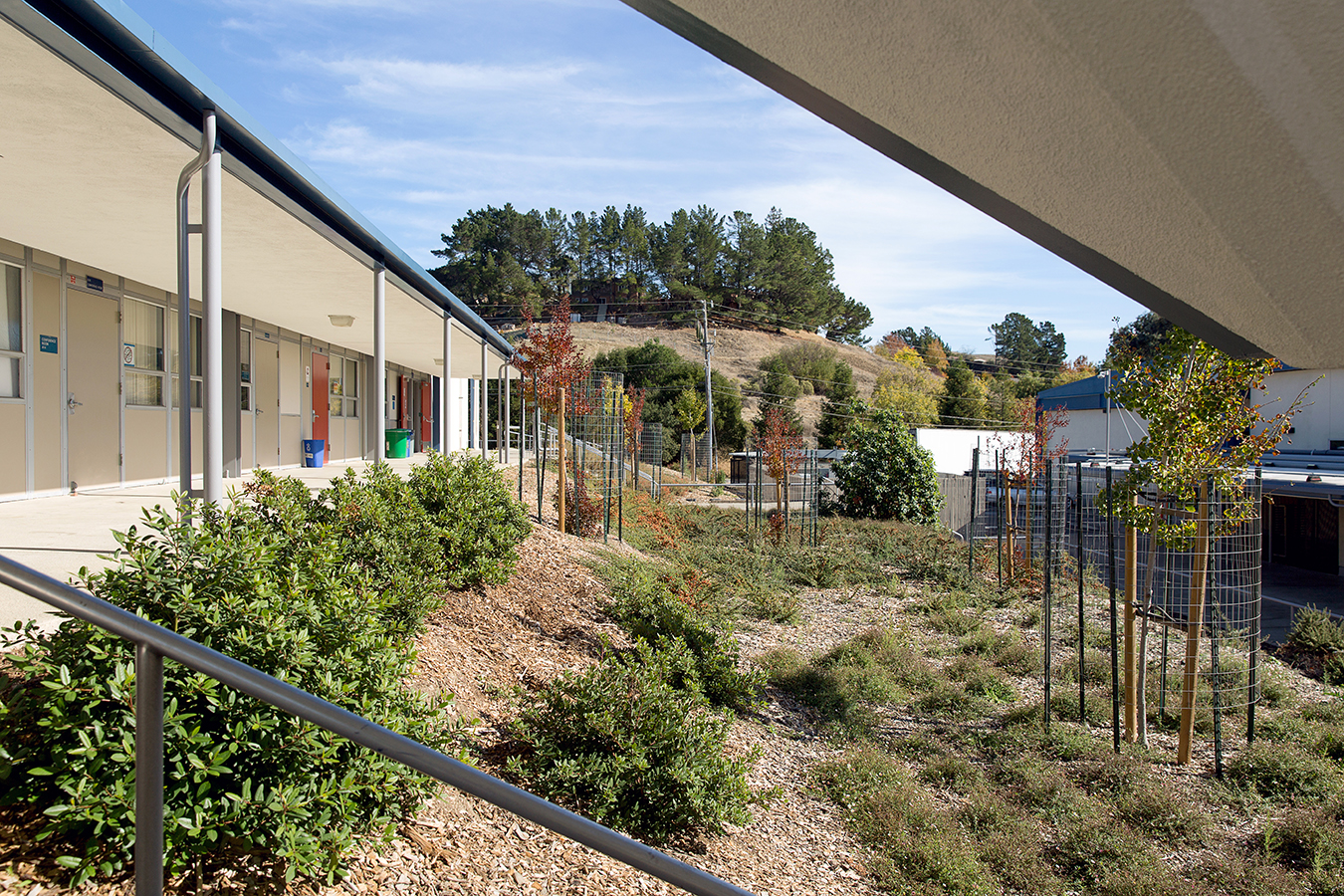
School projects add layers of complexity: DSA oversight, multiple funding sources with distinct closeout requirements, and community stakeholder expectations around schoolyard function. Living schoolyard stormwater design is an emerging framework that treats schoolyards as green infrastructure assets—integrating bioretention, permeable paving, and native planting into outdoor learning spaces that also satisfy C.3 requirements. We have designed stormwater systems for K-12 campuses across OUSD, WCCUSD, and AUSD, coordinating with DSA’s structural and civil review process.
Commercial Redevelopment
Redevelopment projects that replace impervious surface trigger C.3 requirements based on the area of replaced impervious surface—not the net new impervious area. This catches many commercial property owners off guard during tenant improvement permitting. We flag this early and work with the project team to minimize triggering area where possible, or design the most site-appropriate LID solution when requirements apply.
Geographic Coverage
Portland, Oregon
Portland Bureau of Environmental Services (BES) operates one of the most developed urban stormwater programs in the country. Portland’s Stormwater Management Manual has specific design requirements for facilities within the combined sewer system service area—different from the Bay Area’s LID-first framework. Stormwater management in Portland typically involves on-site management facilities sized per BES standards, with specific performance thresholds for the 25-year, 24-hour design storm. We design to the current BES manual and coordinate with the City’s Site Development Section for permit approvals.
Hawaii
Hawaii’s stormwater requirements vary by island and county. Projects on Oahu must comply with the City and County of Honolulu’s stormwater requirements under its NPDES Municipal Separate Storm Sewer System (MS4) permit. Hawaii’s high rainfall intensities and volcanic soils create both opportunities and constraints for infiltration-based BMPs. We have designed stormwater systems for public facility, educational, and infrastructure projects across Oahu and the neighbor islands.
What We Deliver
A complete stormwater design package from our office includes:
- Preliminary stormwater feasibility review at schematic design phase
- BMP selection and site integration coordination with the project architect
- Hydraulic calculations (DCV, bioretention sizing, detention routing per MRP/HMP requirements)
- Stormwater Control Plan prepared to agency-specific checklist requirements
- Construction documents: grading, drainage, and stormwater BMP plans
- Agency submittal and comment response support through permit issuance
- Operations and Maintenance (O&M) Agreement support for long-term maintenance requirements
We do not hand off at permit—we stay engaged through agency comments and, when needed, during construction to address field conditions that affect BMP performance.

Thanks for directing and addressing the site/traffic questions/discussion. The city reps clearly loved the site plan design. Great job!”
JASON SHEETS, MODA4 Design
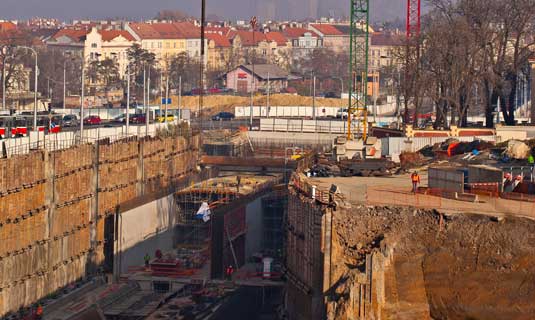
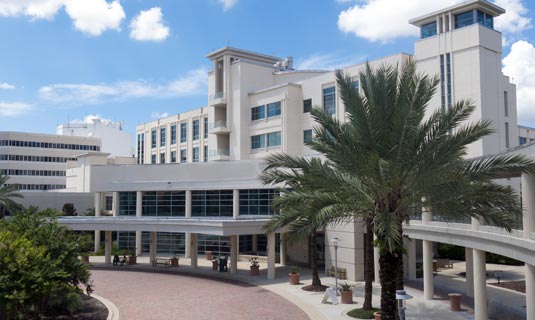
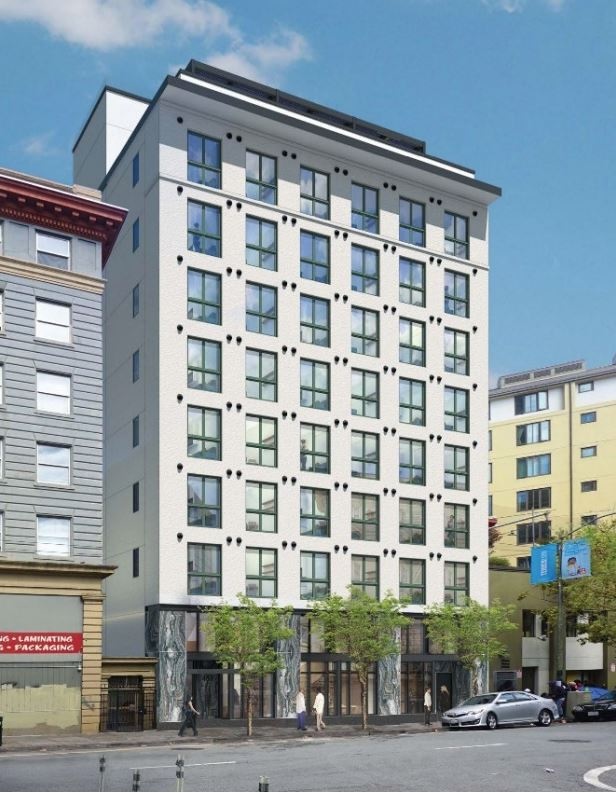
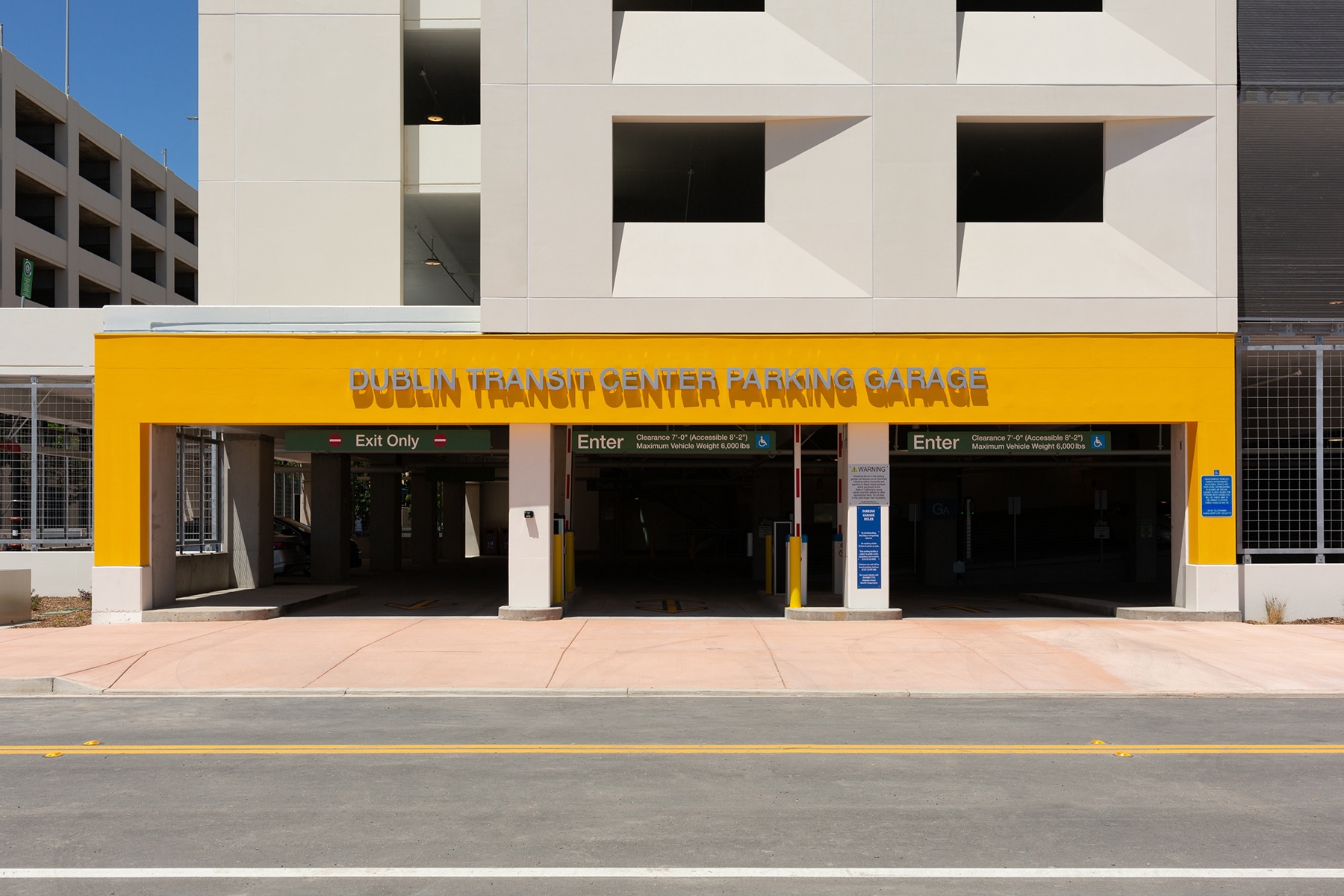
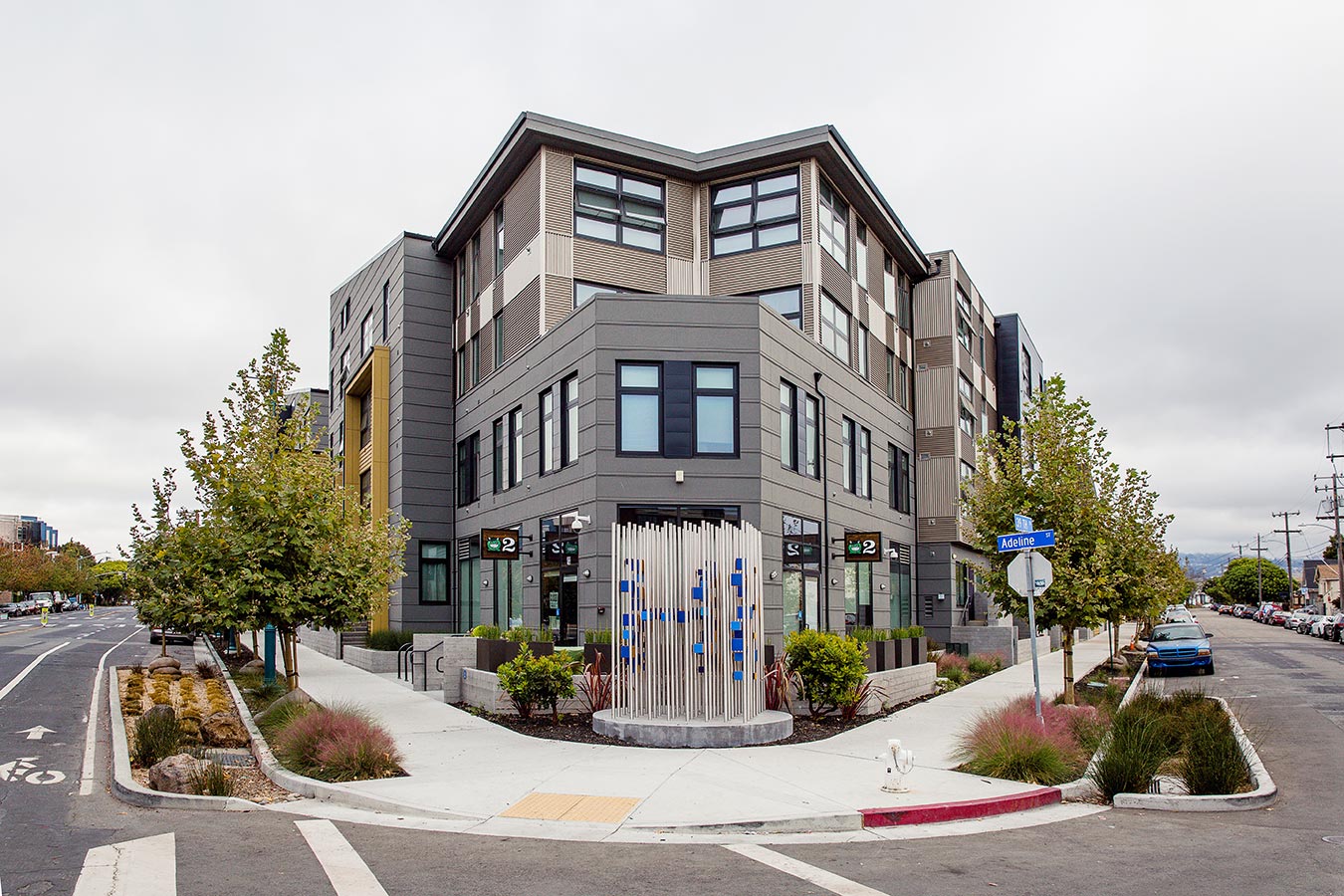
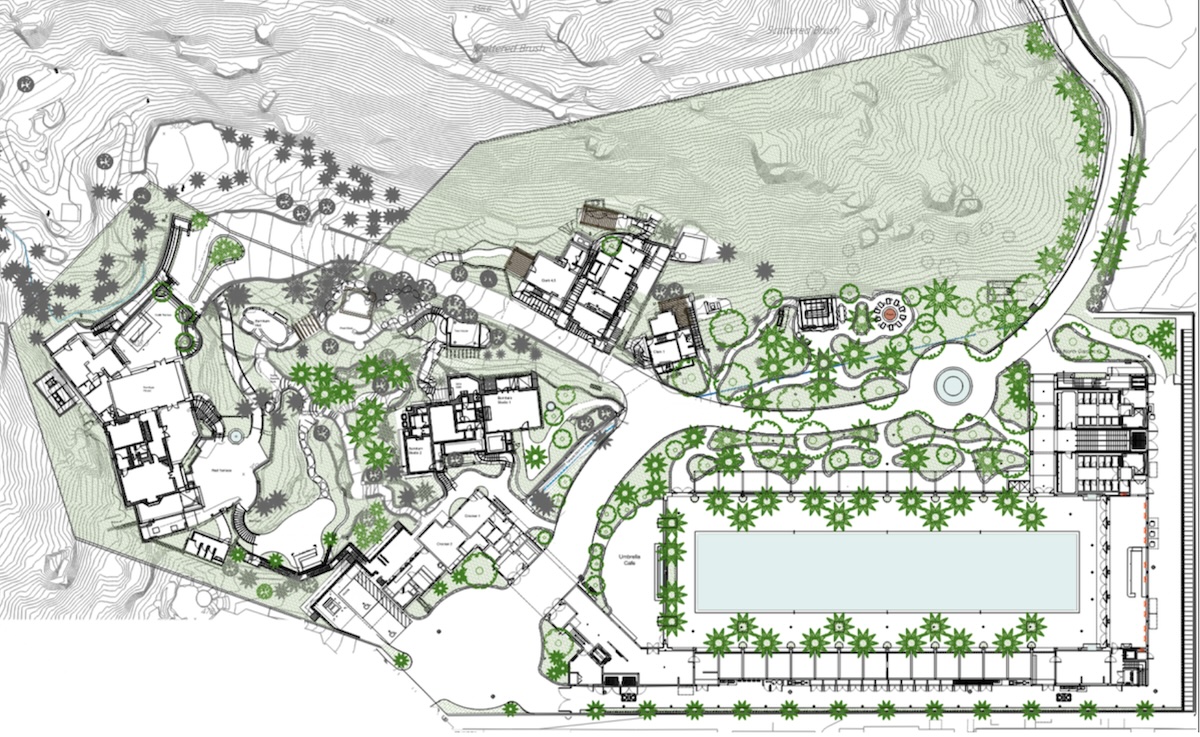
Market sectors we serve:

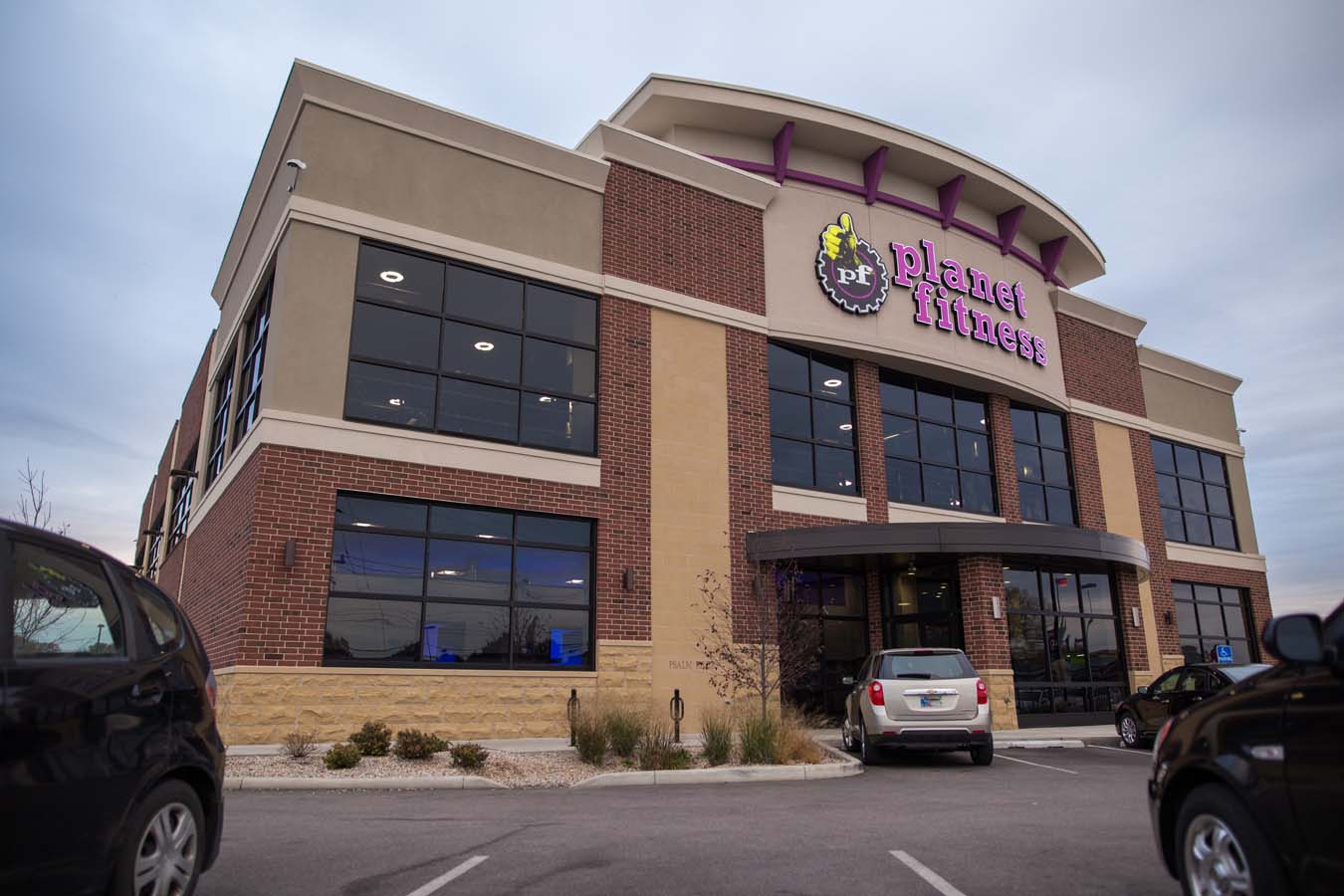

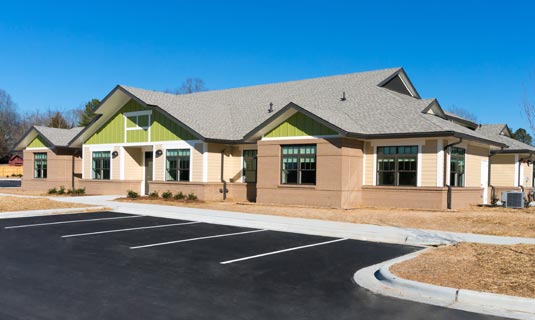
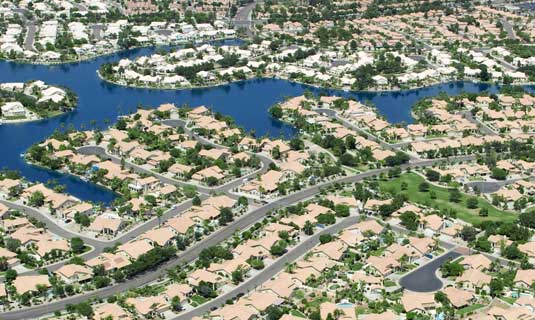
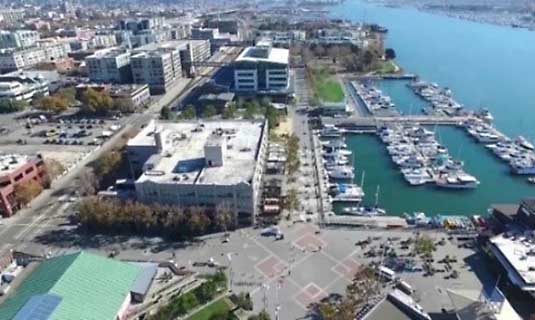
Ready to Talk Through Your Project?
Stormwater requirements are project-specific. The fastest way to get a clear picture of what your project needs is a direct conversation with one of our engineers. Give us a call at (510) 250-7877 or send us a project inquiry—we’ll review your site, confirm the applicable permit requirements, and give you a realistic scope and timeline before any commitment is made.
Frequently Asked Questions
What is C.3 stormwater compliance?
C.3 is the post-construction stormwater requirement in the San Francisco Bay Area’s Municipal Regional Permit (MRP), issued by the Regional Water Quality Control Board. Projects that create or replace 10,000 square feet or more of impervious surface must treat 80% of annual runoff volume with Low Impact Development (LID) measures — typically bioretention cells, flow-through planters, or permeable pavement. Projects over one acre also trigger hydromodification requirements that limit post-development runoff rates to pre-development conditions.
Does my project trigger stormwater requirements?
In most Bay Area jurisdictions, the C.3 threshold is 10,000 square feet of new or replaced impervious surface for commercial projects. Standalone single-family homes are exempt. Auto dealerships, gas stations, and food service facilities have lower thresholds and additional source control requirements. If you are in a Priority Development Area (PDA) or near a sensitive receiving water, the local municipality may have more stringent local requirements layered on top of the MRP baseline.
What is the difference between stormwater detention and retention?
Detention slows runoff and releases it gradually — peak flow is reduced, but total volume eventually discharges to the storm drain system. Retention captures and holds runoff for infiltration or evapotranspiration; it does not discharge. For C.3 LID compliance, the goal is full retention where feasible. Detention-based approaches are acceptable for retrofit projects or sites with high groundwater or contaminated soils where infiltration is not viable, but they require a hydraulic analysis demonstrating hydromodification compliance.
How much does stormwater design typically add to a commercial project’s cost?
Stormwater design and construction costs vary based on site conditions and jurisdiction requirements. For a typical 1-acre commercial project in the Bay Area, C.3 bioretention typically adds $30,000 to $80,000 in construction cost, plus the engineering design to size, detail, and permit it, which is priced from the scope. Sites with poor infiltration rates or high groundwater — common in areas near the Bay — may require lined bioretention cells or vault systems, which push costs higher. We provide a stormwater feasibility review early in design to give you a realistic cost range before the site plan is locked.
What BMPs are most commonly used for commercial stormwater projects in California?
For post-construction LID, bioretention cells and flow-through planters are the most common treatment controls — they are well-understood by local agencies and straightforward to permit. Permeable pavement works well for parking lots where subsurface soils support infiltration. For source control, covered trash enclosures, inlet stenciling, and spill containment are standard. Industrial and commercial sites also need a Stormwater Pollution Prevention Plan (SWPPP) during construction under the State’s Construction General Permit (CGP).
Which Bay Area jurisdictions have the most stringent stormwater requirements?
All Bay Area municipalities are co-permittees under the MRP, so the C.3 baseline is consistent across the region. However, cities like San Jose — operating under a separate individual permit — and communities adjacent to impaired water bodies have additional requirements. Some jurisdictions have adopted Green Infrastructure Plans that require LID on public right-of-way improvements as well. We review the specific local conditions and agency guidelines for every project, since requirements shift with each MRP update cycle.