Library
Technical references for developers, architects, and anyone trying to get a project through plan check.

How to Calculate ADA Parking Requirements
Get this wrong and plan check sends it back. Here's the CBC table, the stall math, and the mistakes we see most often.
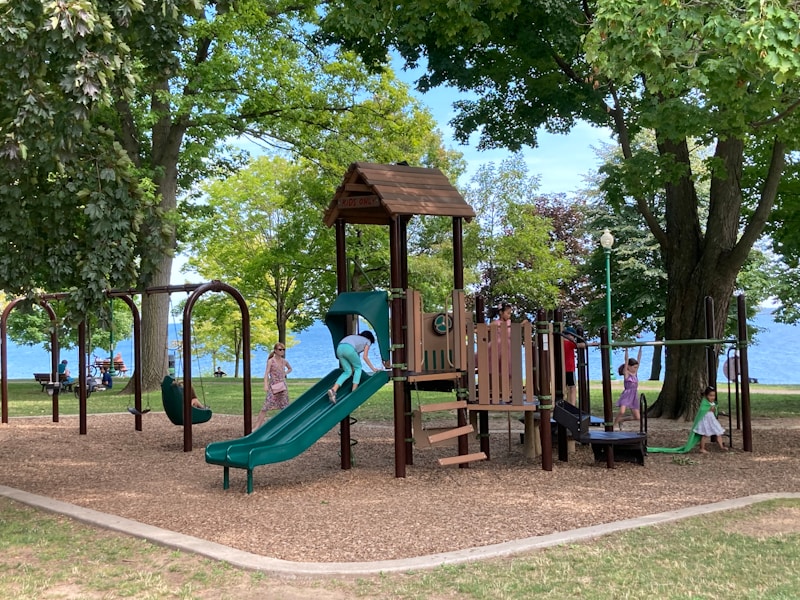
Can a Playground Be a Stormwater Basin? Turns Out, Your Kids...
Yes, your kids are playing on a stormwater basin. And it's one of the smartest things Bay Area school districts are doing right now.
How Does Site Planning for K-12 Schools Work in Walnut Creek?
DSA has opinions. The fire district has opinions. C.3 has opinions. Here's how to make them all agree on one set of plans.
K-12 School Site Planning in Honolulu: Drainage, Grading, and...
Coral soils, coastal zones, and a permit process that looks nothing like the mainland. School civil engineering in Hawaii is its own discipline.
K-12 Site Planning in the Pacific Northwest: Rain, Terrain,...
It rains nine months a year and the terrain doesn't believe in flat. Here's what that means for school site plans in Oregon and Washington.
Multifamily Site Planning in Walnut Creek: Parking, Grading,...
Tight lot, density bonus, C.3 requirements, and a parking garage underground. Walnut Creek multifamily tests every civil discipline at once.
Oakland Mixed-Use Site Planning: Navigating Entitlements and...
Broadway Valdez, SB 35, and an EBMUD connection that took three submittals. Oakland mixed-use site planning is not for the casual.
Portland Stormwater Management: BES, PSMM, and Why Your...
BES doesn't care how you did it in California. Portland stormwater is its own animal, and the PSMM is the rulebook you didn't know you needed.

Retail and Mixed-Use Site Planning in Walnut Creek: What the...
Downtown Specific Plan, CCCSD sewer capacity, and parking ratios that change by block. Walnut Creek retail civil isn't what you'd expect.
Site Planning for Oakland Schools: DSA, Playgrounds, and ADA...
DSA, Living Schoolyards, C.3, and ADA path-of-travel — Oakland school projects hit all four at once. Here's how we keep them from fighting each other.

What Oakland Developers Need to Know About Multifamily Site Plans
SB 35 speeds up approvals. Density bonus adds units. Neither one waives the stormwater requirements. Here's what Oakland developers actually need to know.
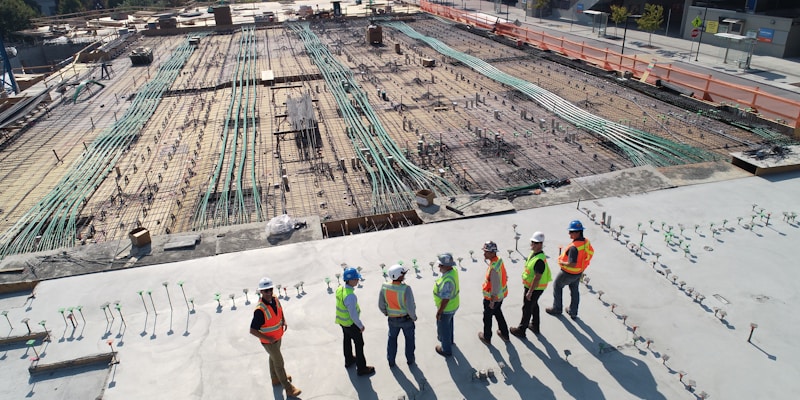
What Sacramento School Districts Need from a Civil Site Plan
Flood zones, expansive soils, and Sacramento summers that crack everything you just paved. K-12 sites in the Central Valley bring their own civil challenges.
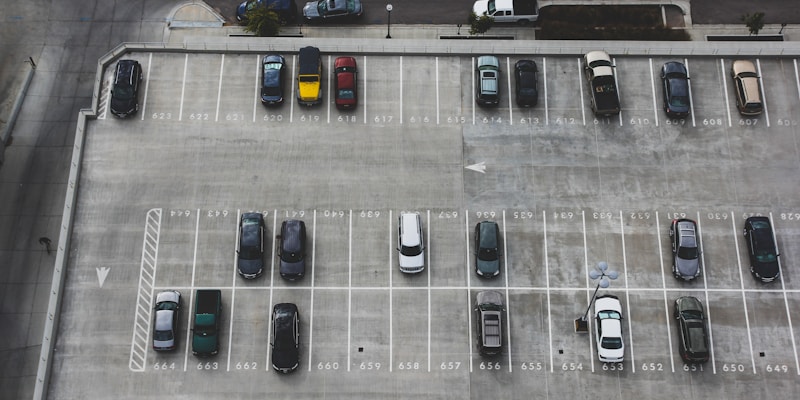
Why Bay Area K-12 Projects Need Stormwater-First Site Planning
Design the building first and figure out stormwater later? That's how you lose 2,000 square feet of buildable area and six weeks of schedule.
Your Entire Site Is Impervious. Your Stormwater Engineer Just...
100% impervious, three overlapping permit programs, and zero room for a bioretention planter. Industrial stormwater in California is a puzzle — here's how to solve it.
Composite Utility Plans: The Drawing That Saves Your Project...
One drawing, every utility, every conflict visible before anyone picks up a shovel. If your project doesn't have one, you're guessing.
Electrical Vaults: Sizing, Placement, and Why They Always End...
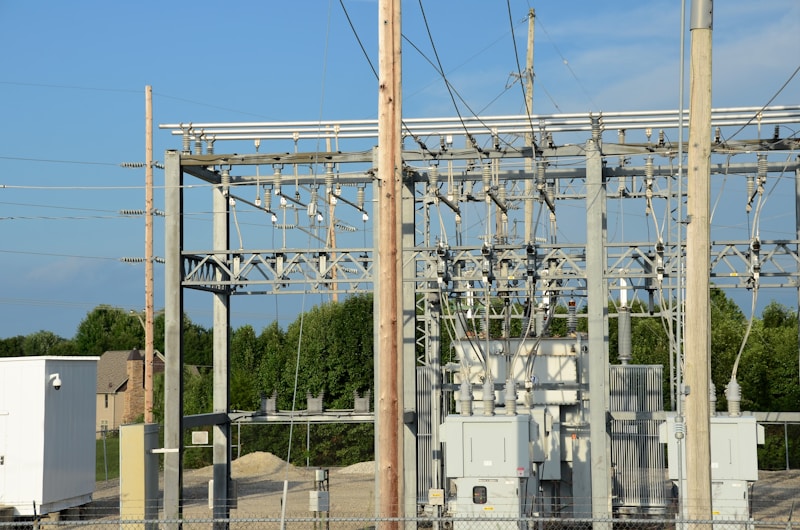
They're heavy, they're expensive, and PG&E has very specific opinions about where they go. Here's what you need to know before you place one on your site plan.
Industrial Dry Utility Design: When Your Power Demand Is the...
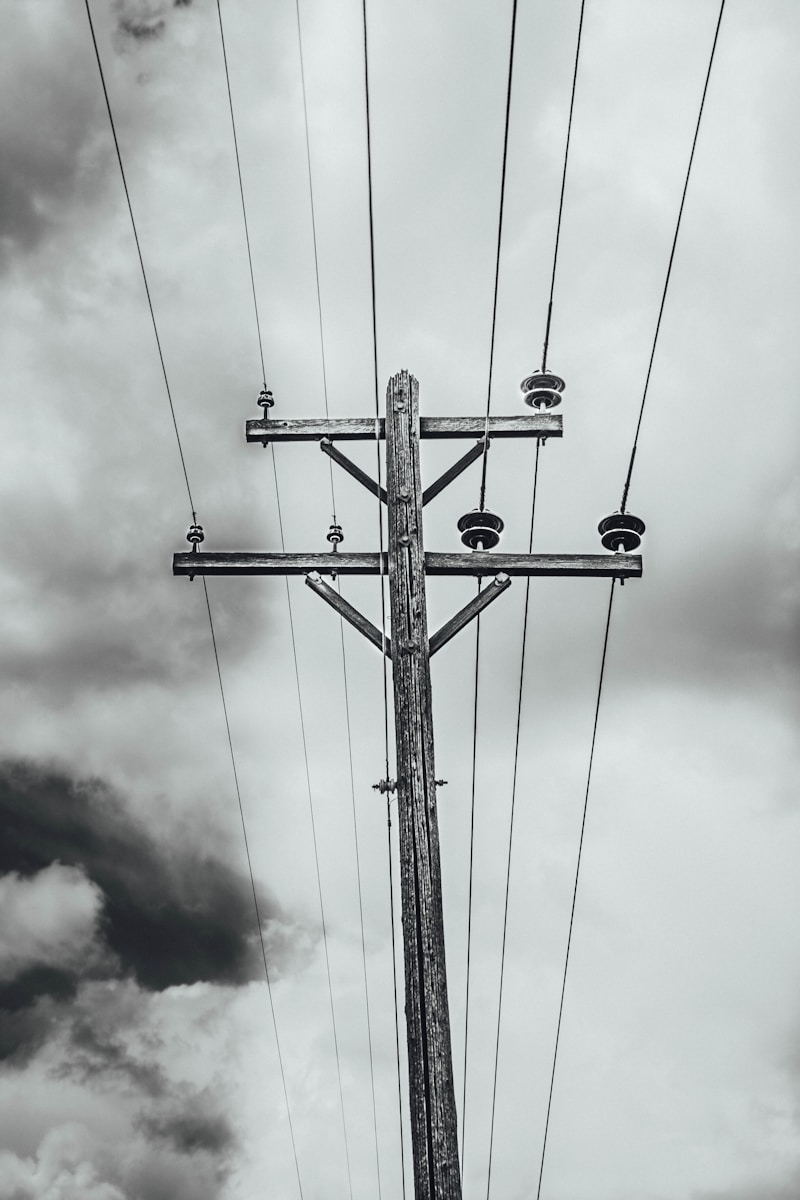
Industrial dry utility consulting in California: dedicated feeders, PG&E capacity studies, and conduit routing for warehouses, cold storage, and...

Joint Trench Design: What Every Developer Needs to Know...
A Bay Area civil engineer breaks down PG&E joint trench design requirements, realistic timelines, common developer mistakes, and the civil engineer'...
Joint Trench and Dry Utility Design in Portland: PGE, Pacific...
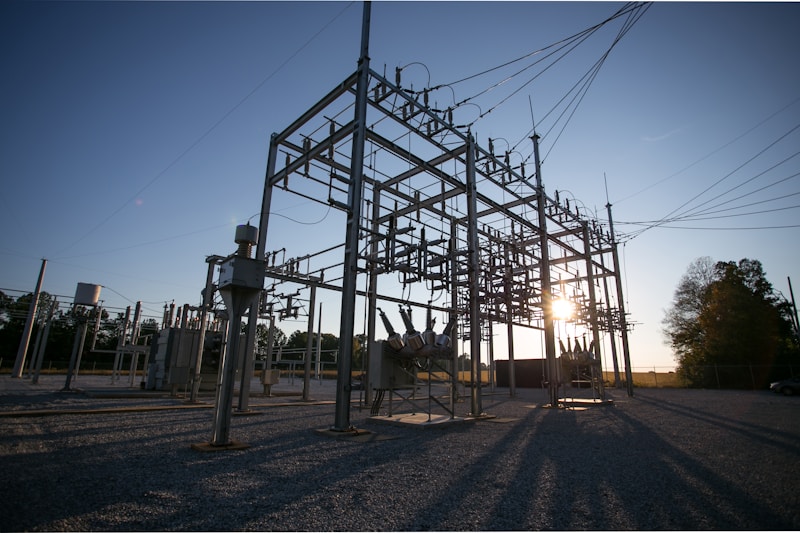
How dry utility coordination in Portland actually works — PGE vs. Pacific Power territories, BDS and PBOT routing, Lumen and Comcast, and why...
PG&E's New Joint Trench Process: Submit Your Building Permit...
PG&E now requires approved building permit drawings before starting joint trench design — and their turnaround is roughly 90 days. Here's what chang...

Switchgear Pads and Pull Boxes: The Equipment Nobody Draws...
PG&E's switchgear pads and pull boxes show up on design drawings after your site plan is already permitted. Here's what civil and electrical en...

The PG&E Green Book: A Civil Engineer's Translation Guide
A civil engineer's guide to PG&E's Green Book — Rule 16, Rule 20, joint trench design, clearance requirements, and the timeline realities of dry utility coor...
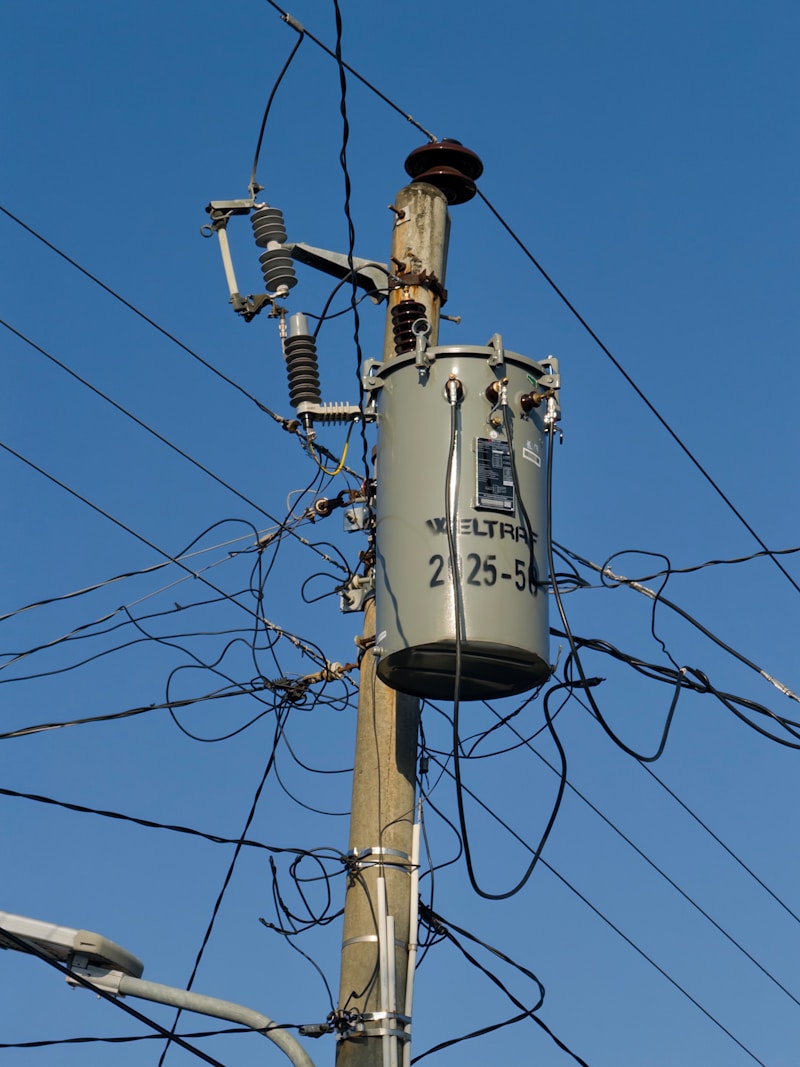
The PG&E Green Book: A Civil Engineer's Translation Guide
The PG&E Electric and Gas Service Requirements is 600 pages of standards most developers never read. Here's what actually matters for your Bay Area...
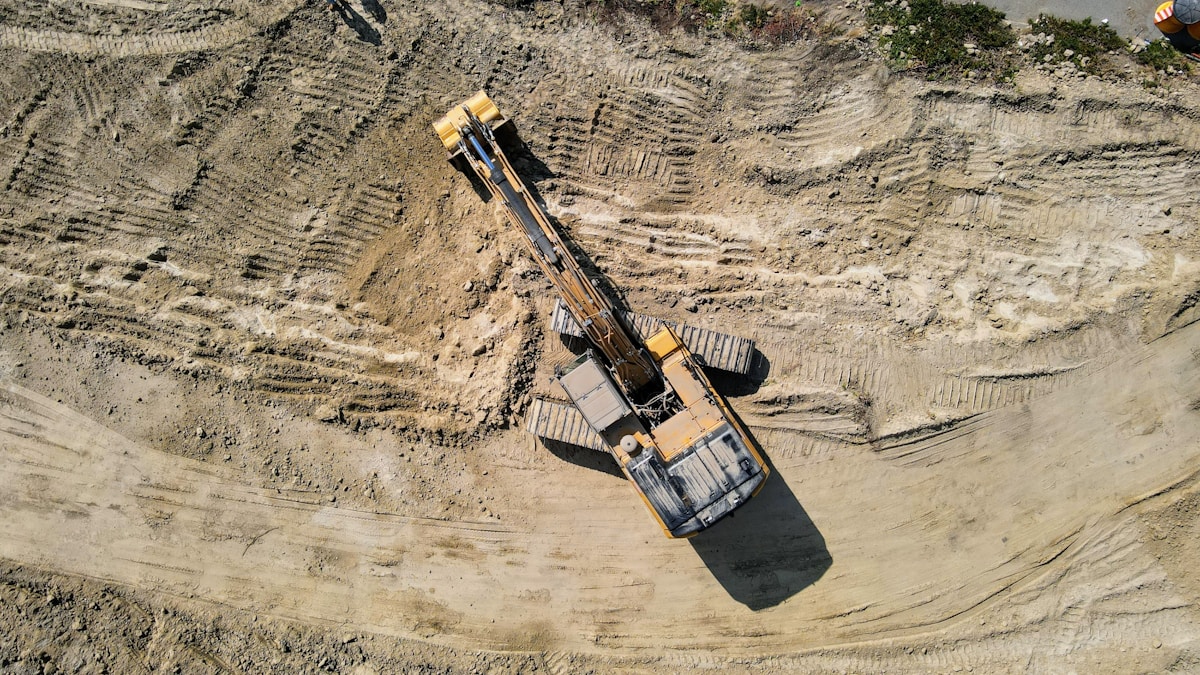
Transformer Pad Clearances: The 10 Feet Nobody Planned For
PG&E transformer pad clearance requirements explained by a civil PE — front, side, and rear dimensions, NEC rules, and why every site plan needs to...

Why Dry Utility Coordination Takes Longer Than You Think (And...
Dry utility coordination in California takes months, not weeks. Here is the honest timeline for PG&E, AT&T, and telecom — and how to front-load it so...
2% Cross-Slope: The Three Characters That Make Affordable...
CBC 11B's 2% max cross-slope on accessible routes creates a real tension with drainage. Here's how it drives cost on affordable housing projects — ...
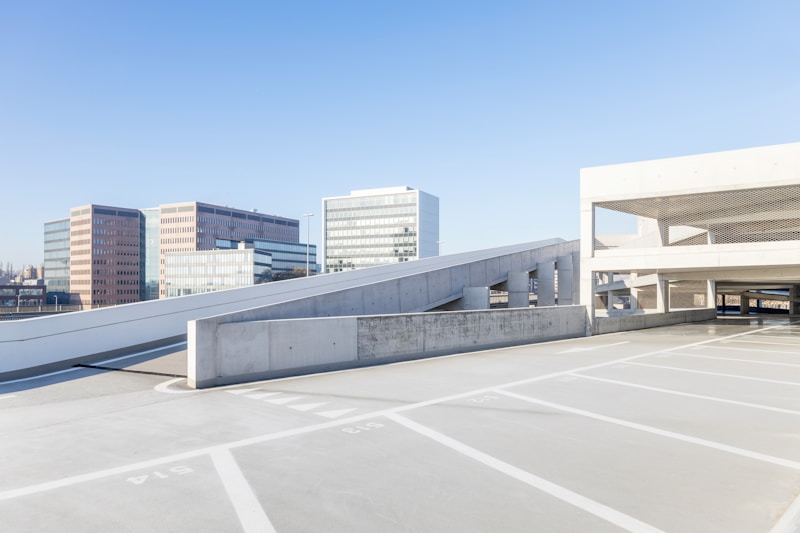
40 Acres of Concrete and Nowhere for the Rain to Go
Industrial site planning is a different discipline. Massive impervious areas, WB-67 truck templates, IGP permits, and C.3 BMPs that eat your yard....

ADA Path of Travel: Maximum Slopes, Landing Sizes, and...
California CBC 11B path of travel: 5% max running slope, 2% max cross-slope, 60" x 60" landings, 48" clear width. The numbers that matter and ...
Affordable Housing Site Planning in California: TCAC, C.3,...
How site plan decisions affect TCAC scoring, C.3 stormwater on tight infill lots, parking reductions under AB 2097, ADA compliance, and the 18–24 month...
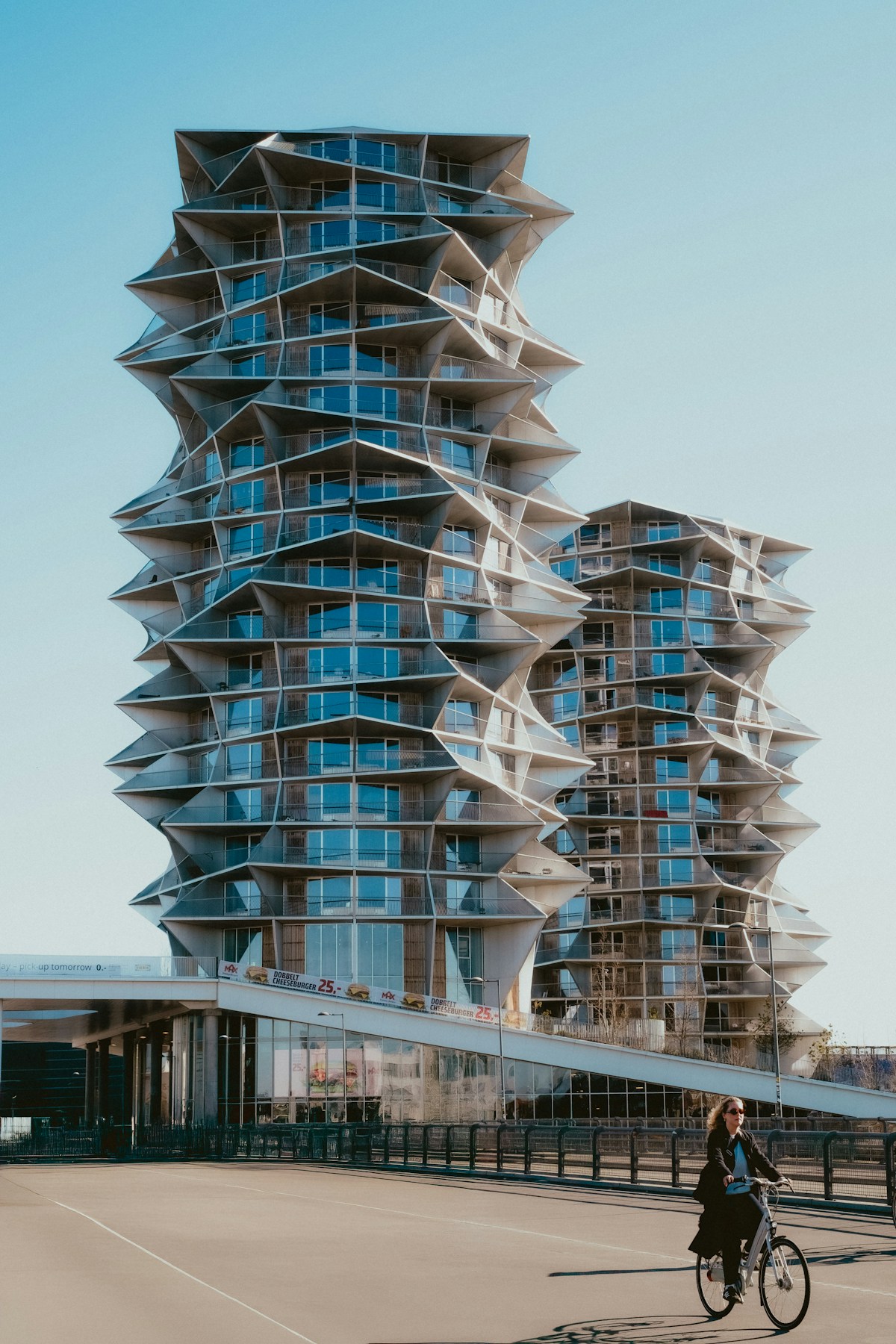
Bay Area Mixed-Use Projects: The Site Planning Challenges...
Multi-jurisdiction stormwater, C.3 compliance, SB 35 density bonus, and CEQA surprises — the real site planning challenges on Bay Area mixed-use...
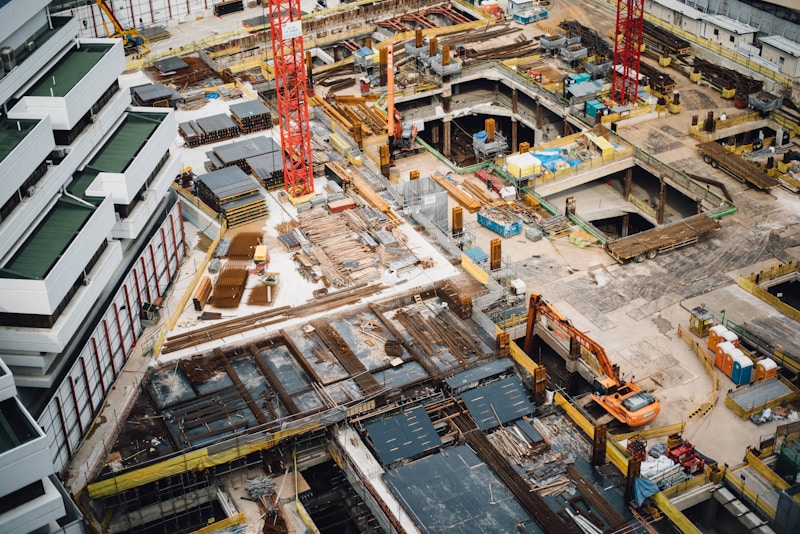
Bay Area Multifamily Site Planning: C.3 Compliance and Beyond
Planning a multifamily project in the Bay Area? Calichi walks through C.3 stormwater compliance, density bonus, SB 35, and the multi-jurisdiction...
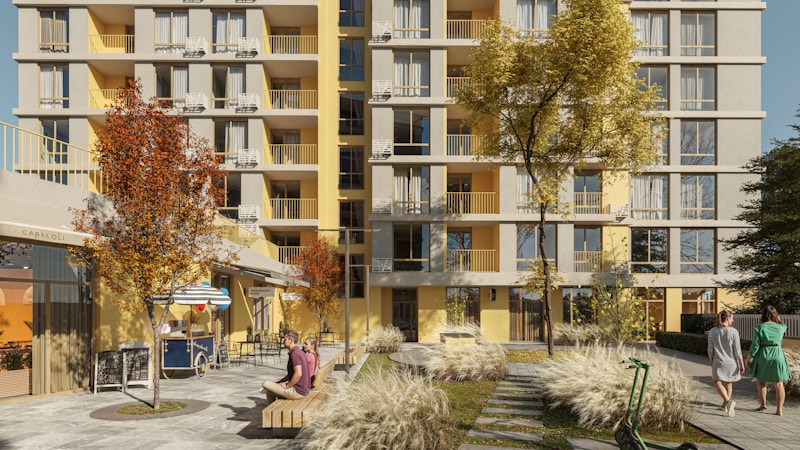
Bike Lockers vs. Bike Racks: What Your City Actually Requires
CALGreen requires both short-term racks and secure long-term storage — but Oakland and SF go further. Here's what each class requires, where it goes,...
Building Better Schools in Portland: A Civil Engineer's Guide...
Portland K-12 school site planning requires navigating BES stormwater rules, BDS plan check, and Oregon structural code. Here's what civil engineers...

CALGreen EV Charging: EV Ready, EV Capable, and EVSE — What...
CALGreen 2022 defines three EV infrastructure tiers — EV Capable, EV Ready, and EVSE — each with different electrical and conduit requirements. Here’s...

CBC 11B on Schools: The Plan Check Comments That Follow You Home
The 10 CBC 11B plan check comments civil engineers see on every K-12 school project — cross-slopes, ramp landings, curb ramps, accessible parking, and...
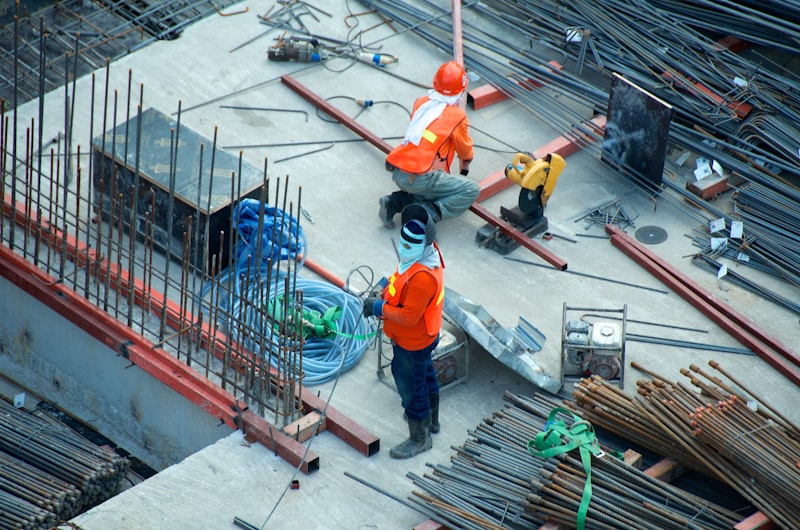
Density Bonus: When the City Hands You 40 Extra Units and...
California's density bonus law hands you extra units. But more units means more parking, more impervious area, bigger BMPs, and a grading plan that...
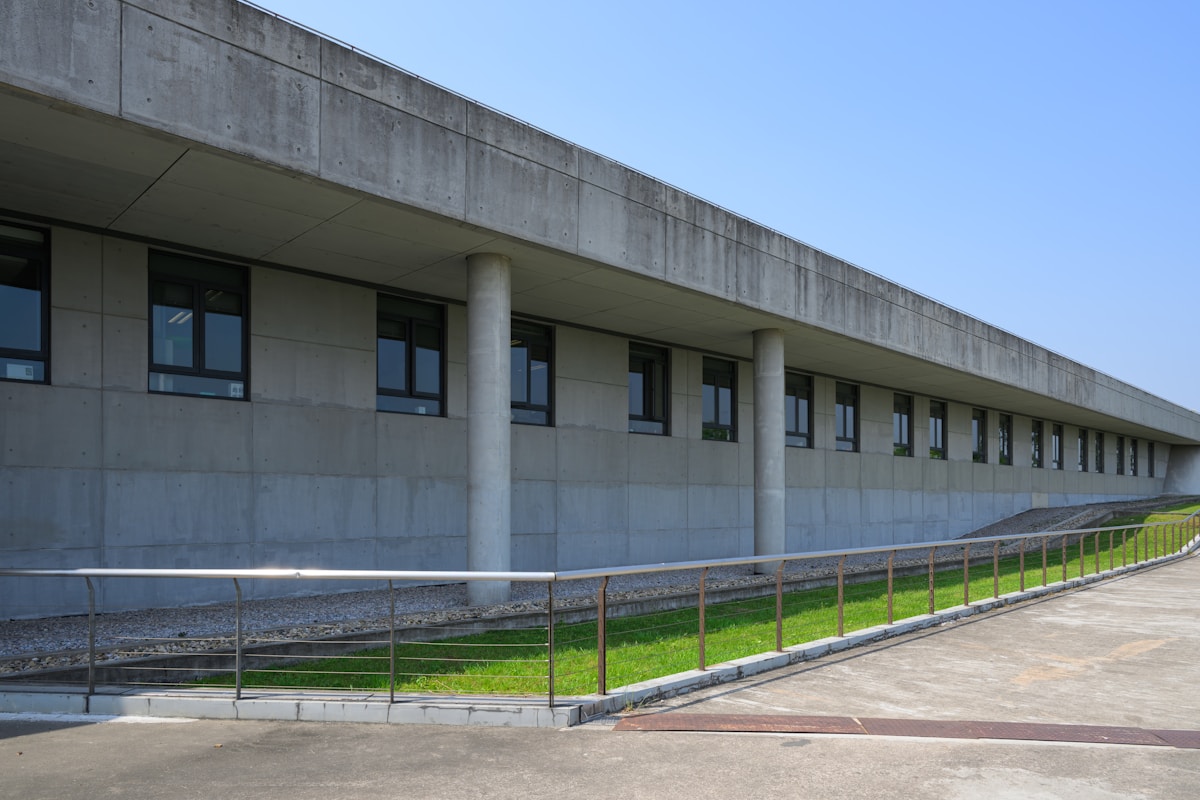
Every Sidewalk, Every Ramp, Every Cross-Slope: ADA on a...
CBC Chapter 11B on a K-12 campus means every walkway, ramp, and playground route is a regulated path of travel. Here's what DSA actually enforces — and...
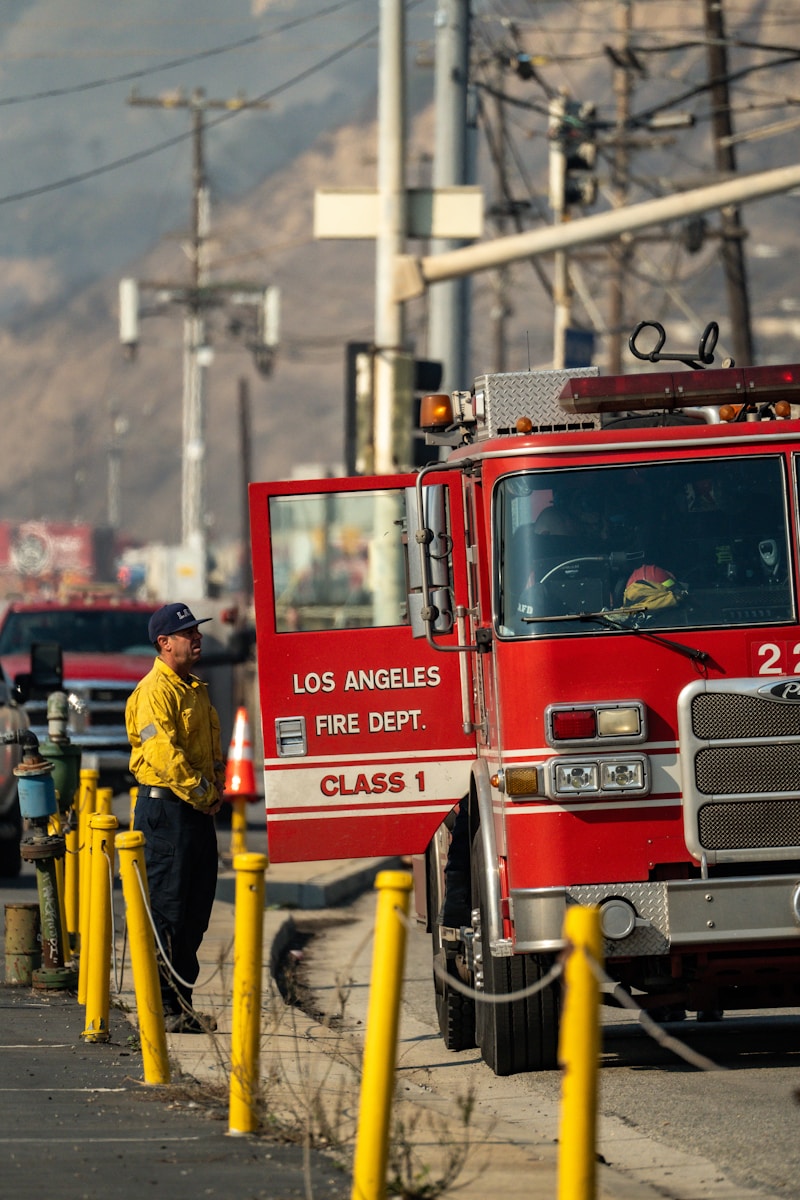
Fire Access Road Requirements: Width, Turning Radius, and the...
CFC Chapter 5 fire access road requirements: 20 ft minimum width, 28.5 ft turning radius, 150 ft dead-end limit, 13.5 ft clearance. The specific...
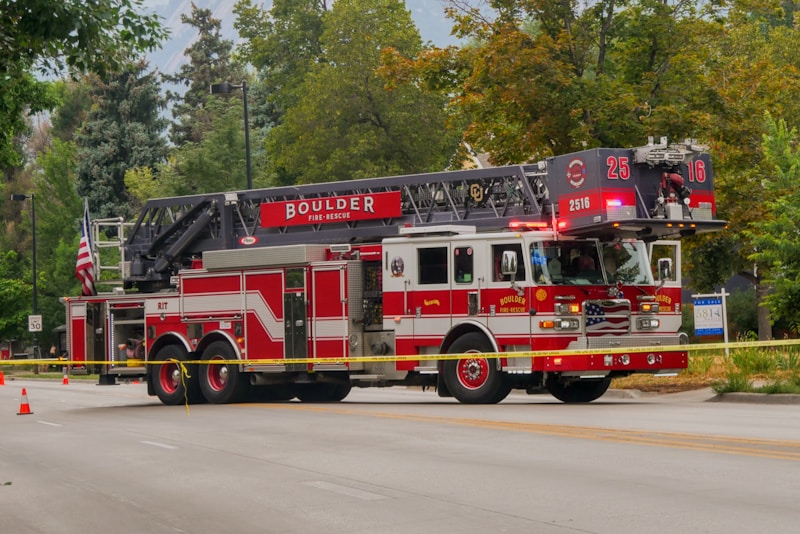
Fire Department Turnarounds: Hammerhead vs. Cul-de-Sac and...
CFC 503.2.5: any dead-end fire access road over 150 feet needs a turnaround. Here are the actual dimensions for hammerhead (60x20 ft legs), cul-de-sac...

Half an Inch Across 200,000 Square Feet: Warehouse Grading Is...
Warehouse grading tolerances, dock approach profiles, cut/fill balance, subgrade prep, and drainage across massive industrial pads. What the civil...

How Flat Is Too Flat? The ADA-vs-Drainage Problem That Haunts...
The 2% ADA cross-slope limit and the minimum drainage slope create a real engineering tension. Here's how we solve it in the grading plan — before the...

How Long Does DSA Really Take? Grab a Chair.
The honest timeline for DSA plan review on California K-12 projects: what gets reviewed, what causes delays, and how to keep your project moving.

How Portland's Green Infrastructure Rules Shape Mixed-Use...
Portland's PSMM, green streets policy, ecoroof requirements, and Central City Plan District rules define every mixed-use site plan. Here's how civi...

How to Calculate ADA Parking Requirements (With the Table...
The complete ADA and CBC accessible parking table, van accessible ratios, stall dimensions, slope limits, and common mistakes — all in one place.

How to Calculate Bike Parking Requirements (Short-Term vs....
CALGreen and city-specific bike parking tables by occupancy type — short-term racks vs. long-term secure storage, rack spacing, aisle widths, and the...

How to Calculate EV Parking Requirements in California...
CALGreen 2022 EV parking requirements by occupancy type — exact percentages, conduit sizing, panel capacity, and how local Bay Area jurisdictions make...
How to Navigate Sacramento's Multifamily Site Planning Process
A practical guide to multifamily site planning in Sacramento — covering City CDD entitlements, SB 35 streamlining, C.3 stormwater compliance, SMUD...
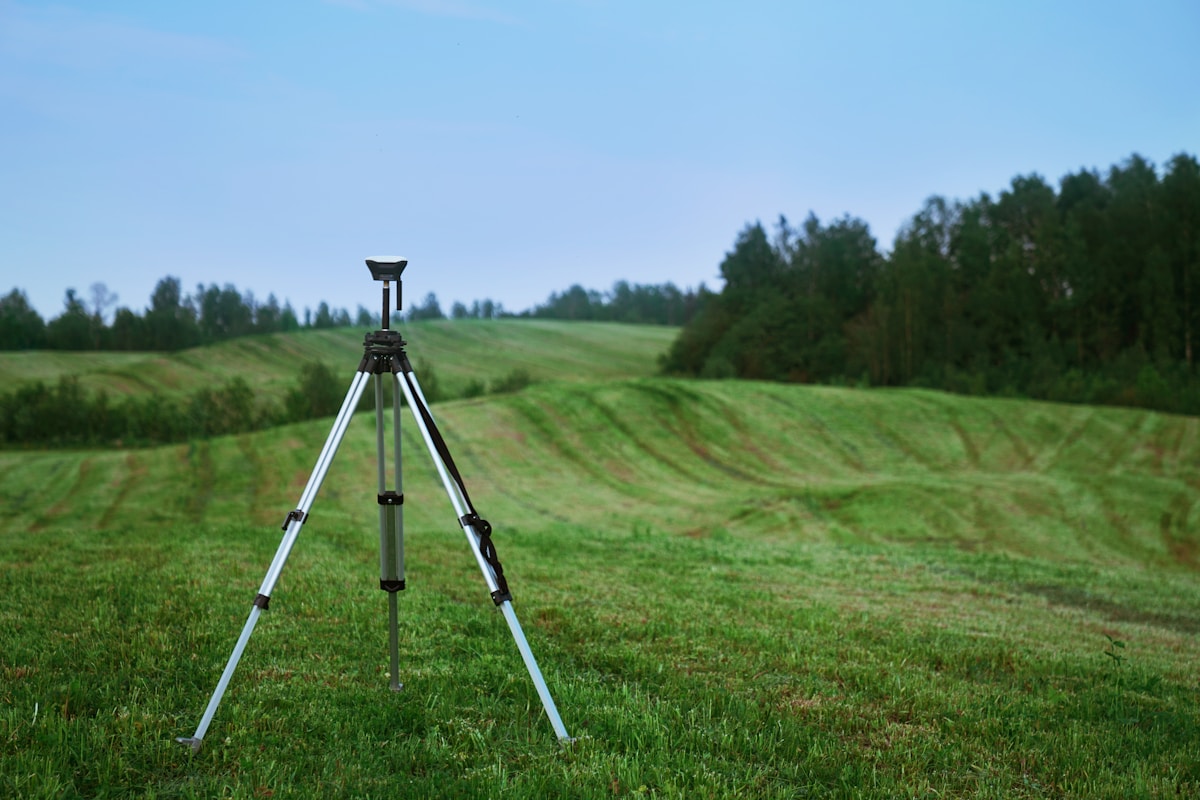
How to Read a Grading Plan: Contours, Spot Elevations, and...
Learn how to read a grading plan — contour lines, spot elevations, flow arrows, cut/fill, and slope callouts explained in plain language for developers...
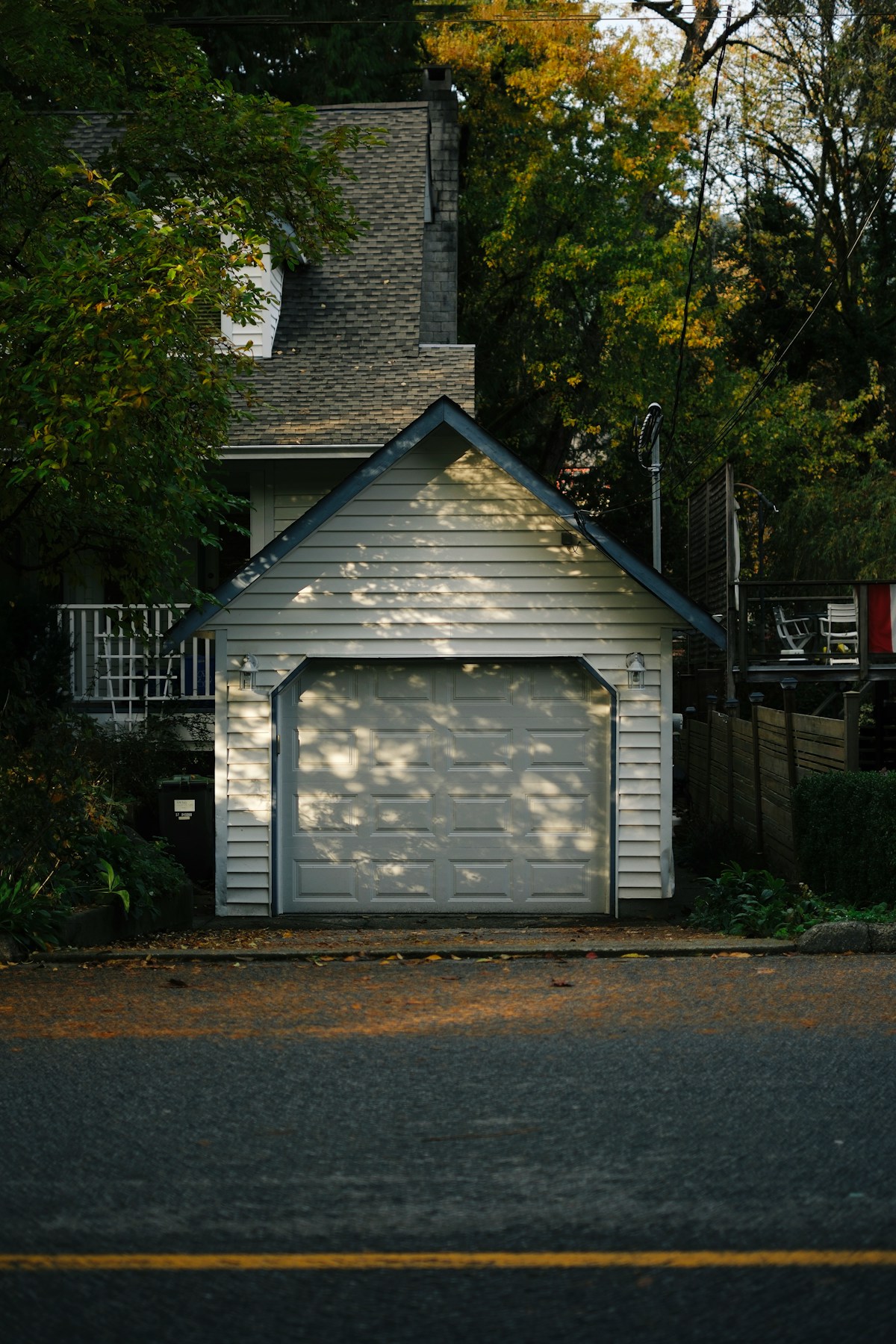
Maximum Driveway Slopes in California: What the Code Says and...
California driveway slope limits range from 5% (ADA) to 20% (residential). Learn the code citations, fire lane rules, and what actually works on...
Mixed-Use Site Planning Across the Pacific Northwest:...
Oregon and Washington have different stormwater rules, permit timelines, and green building codes — and they all shape your mixed-use site plan. Here's...
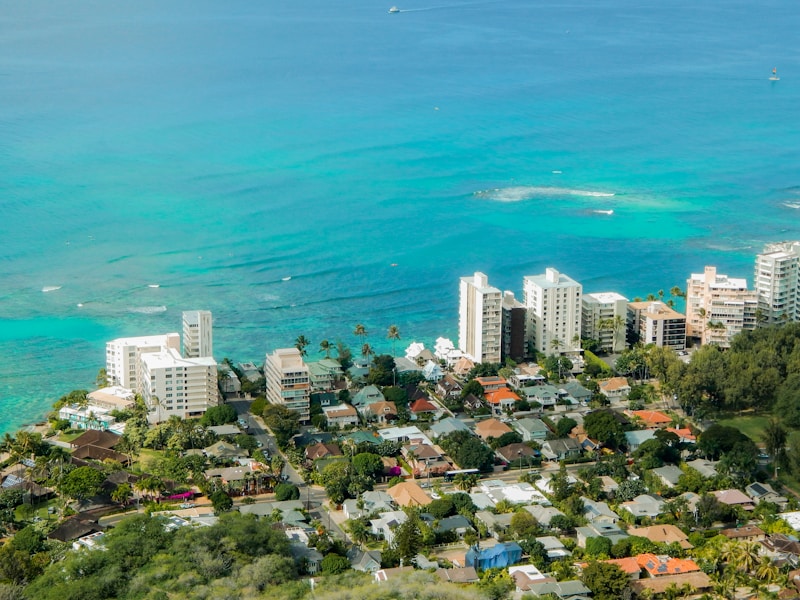
Mixed-Use Site Planning in Honolulu: Balancing Density with...
Honolulu mixed-use development requires navigating DPP permits, BWS water availability, HCDA Kakaako rules, and coral soil drainage. Here’s how we...
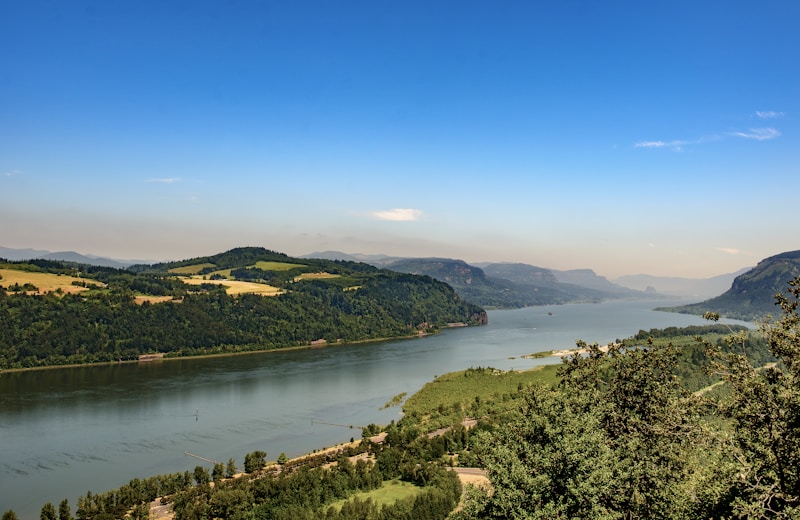
Multifamily Housing in Hood River: Site Planning for a...
Hood River is growing fast and the land supply is tight. We break down what multifamily site planning actually requires in Hood River — terrain, UGB...

Multifamily Site Planning in the Pacific Northwest: What...
Thinking about a multifamily project in Oregon or Washington? We break down the stormwater rules, green building mandates, and density regulations that...
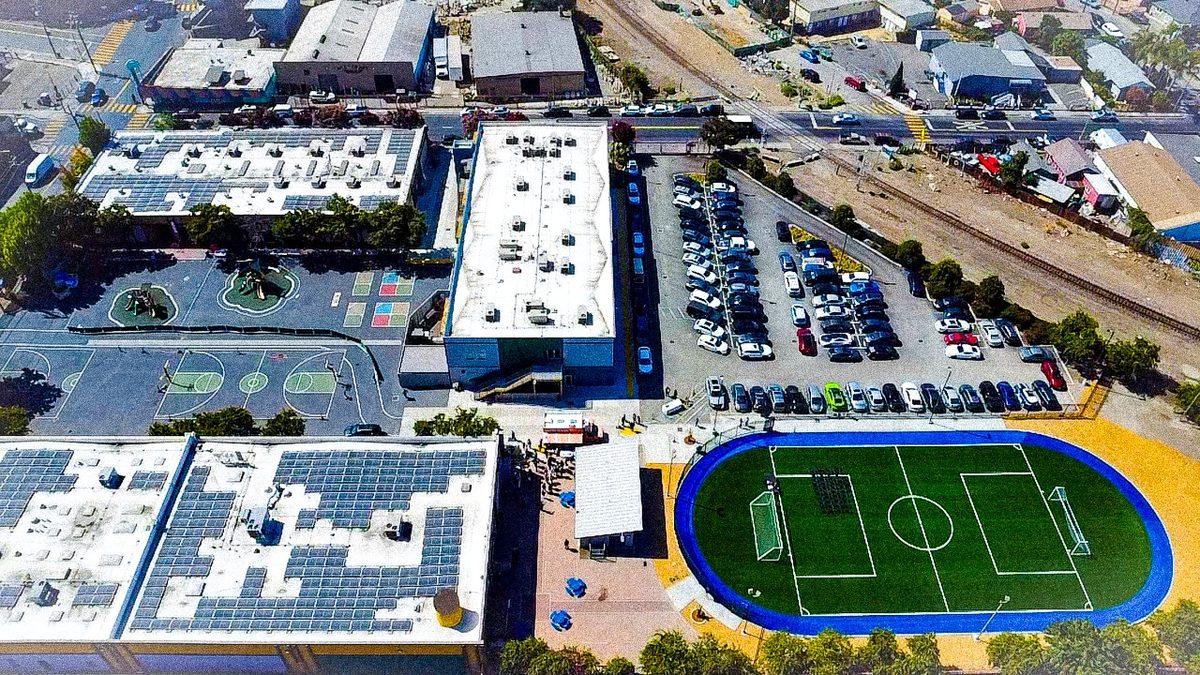
Nobody Budgeted the Civil Scope: A School Modernization...
California school modernization projects trigger far more civil work than anyone budgets for. Here's what the ADA path-of-travel rule, stormwater...

Planning a Mixed-Use Project in Hood River? Start with the Site
Planning a mixed-use or retail project in Hood River? Here's what the site is telling you before permits, parking, and the City even get involved.

Portland Multifamily Site Planning: Stormwater, Density, and...
Planning a multifamily project in Portland? We break down BES stormwater requirements, green street compliance, inclusionary zoning, and density...
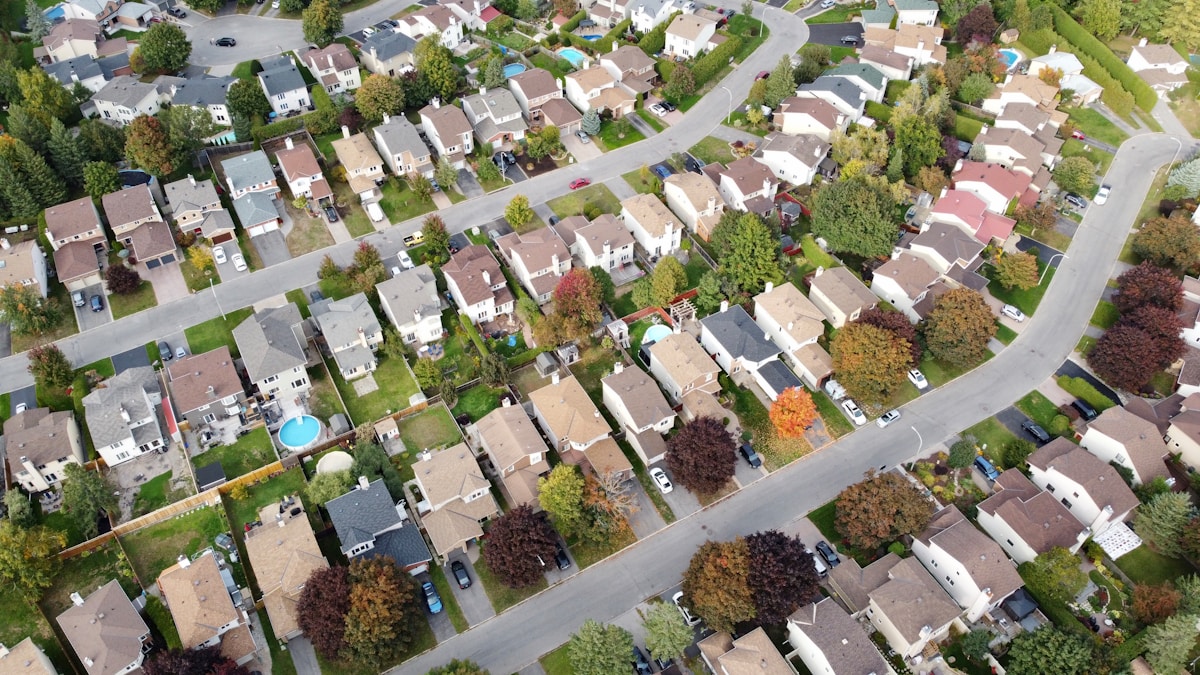
SB 35 Streamlining: What It Actually Means for Your Civil...
SB 35 speeds up ministerial approval for qualifying multifamily projects—but stormwater, fire access, and objective design standards still apply....

Sacramento Retail Site Planning: Utilities, Access, and City...
Planning a retail or mixed-use project in Sacramento? We walk through utilities (SMUD, SRCSD), access, CDD entitlements, Central City Specific Plan,...
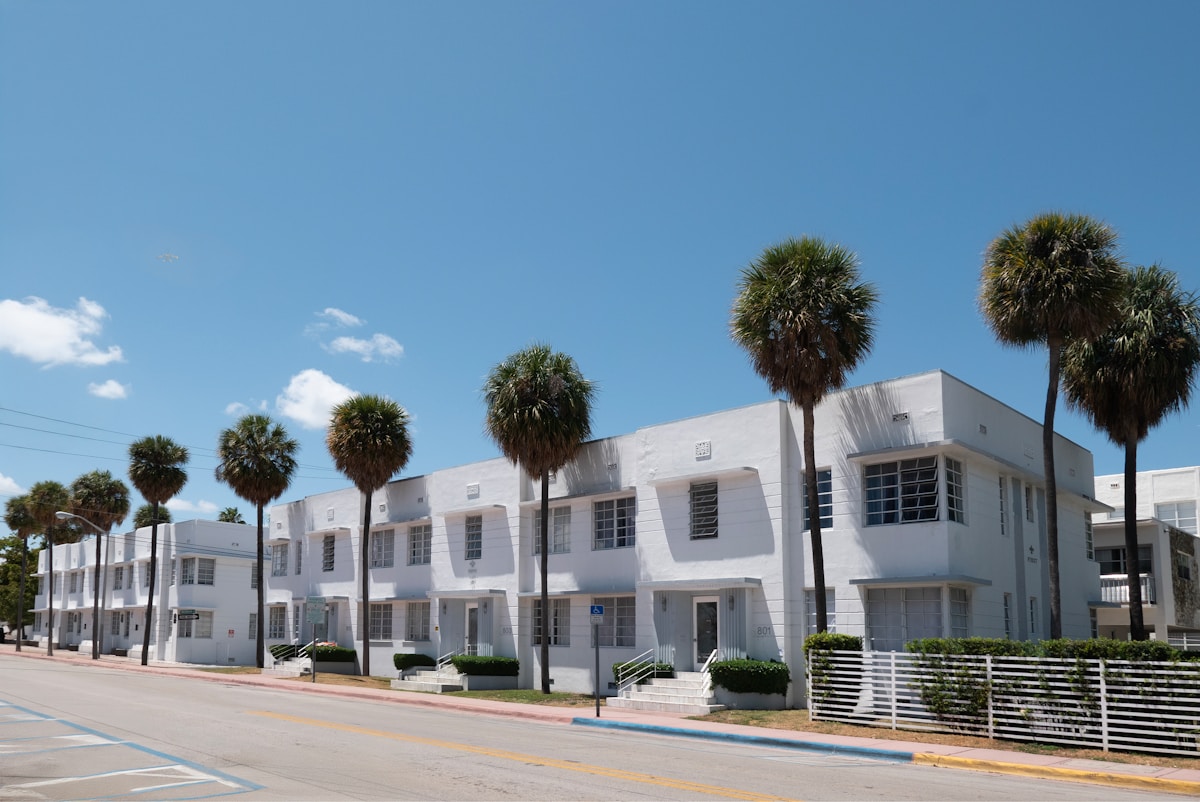
Site Planning for Honolulu Multifamily Projects: Slopes,...
Site planning for multifamily housing in Honolulu means navigating steep terrain, volcanic soils, coastal zone rules, and City and County DPP...
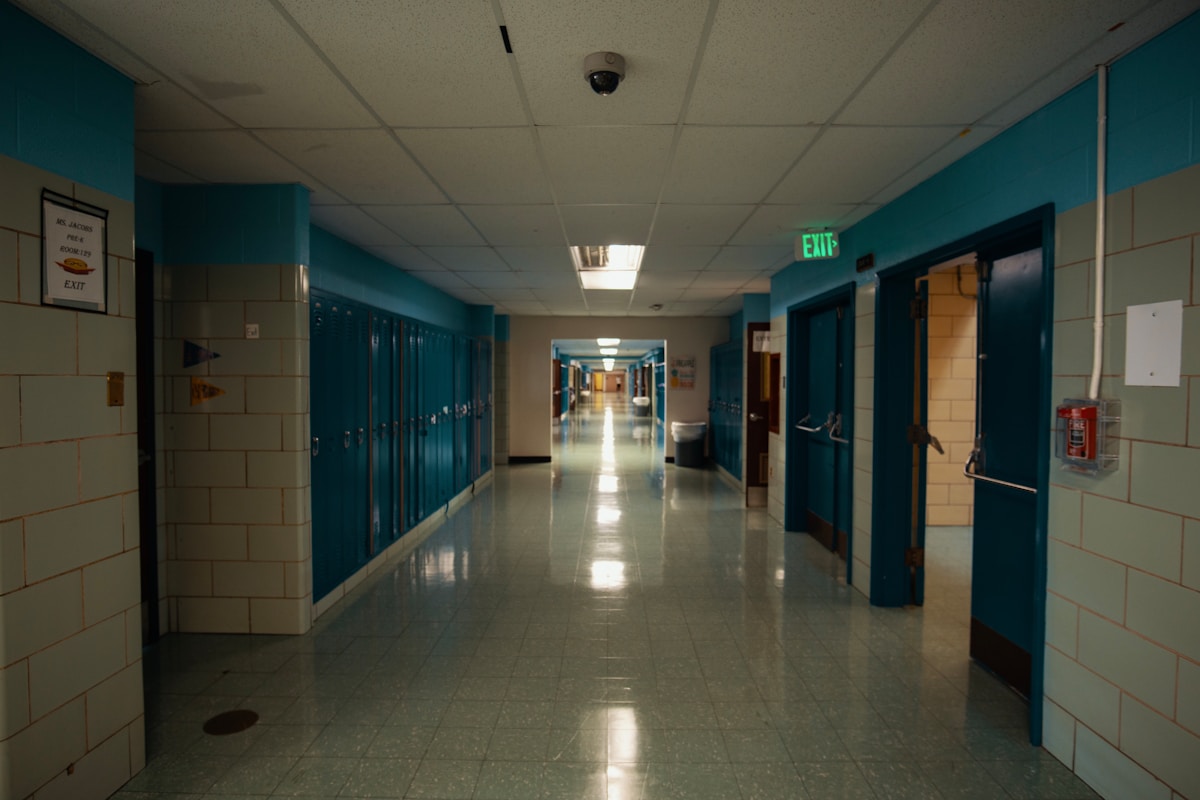
Small-Town School Site Planning: Lessons from Hood River, Oregon
Hood River K-12 school site planning means working around steep terrain, Oregon DEQ stormwater rules, and a small-town infrastructure grid with no room...

Van Accessible Parking Stalls: Dimensions, Access Aisles, and...
CBC 11B-502: primary van accessible stall is 12' wide + 5' aisle. Exception: 9' + 8' aisle. 98" vertical clearance. 2% max slope. Th...
What Is a Will-Serve Letter and Why Your Project Can't Move...
A will-serve letter is a written commitment from a utility that your project can be served. Here's who issues them, when you need them, how to request...
Your Fire Marshal Just Red-Lined Your Site Plan. Here's Why...
26-foot fire lanes, aerial apparatus setbacks, 3,000 GPM fire flow, and the trailer-in-the-fire-lane problem that kills occupancy permits. What CFC...
Bioretention Isn’t Always the Answer. But It’s Always the...
Bioretention works on most sites — but high groundwater, clay soils, and tight urban lots demand a smarter BMP selection process. Here’s how we walk...
Does My Project Trigger C.3? It's Not One Threshold Anymore
MRP 3.0 dropped the C.3 threshold from 10,000 SF to 5,000 SF for most projects in 2023. Here's the full tier system — 2,500, 5,000, and 10,000 SF — and what ...

Does My Project Trigger C.3? The Square Footage Thresholds...
Wondering what triggers C.3 stormwater requirements in the Bay Area? Here are the exact thresholds — 5,000 sq ft for most projects under MRP 3.0, 2,500 sq ft...
Fitting a Bioretention Basin on a Half-Acre Lot Is Like...
Affordable housing stormwater compliance on tight Bay Area sites: the 4% rule math, flow-through planters, underground detention, and how to stop...
How to Size a Bioretention Basin: The 4% Rule and When It...
Learn how to size a bioretention basin using the 4% rule, BASMAA calculator, and IMP worksheets. When the rule works—and when clay soils and high...

How to Write a Stormwater Control Plan That Doesn't Come Back...
A stormwater control plan is the C.3 compliance document your project can't get a grading permit without. Here's how to write one that doesn't...
Hydromodification: The Word Your Client Can't Pronounce but...
Hydromodification compliance in California — what it is, when it applies, how BAHM analysis works, and why it can double your stormwater BMP...
Provision C.3: The Three Pages of Permit Language That...
Provision C.3 of the Municipal Regional Permit reshapes every Bay Area project over 5,000 SF under MRP 3.0. Here's what source control, site design, and...
Silva Cells: When Your Stormwater Solution Grows a 50-Foot Tree
Silva Cells are modular underground systems that grow full-size trees under pavement while treating stormwater for C.3 compliance. Here's how they work, what...
Stormwater Requirements for Small Projects: Yes, Your 5,000...
Think stormwater rules only apply to big developments? Think again. Here's exactly when a small addition, ADU, or parking lot repave triggers C.3,...

What Is C.3 Stormwater? A Plain-English Explanation for...
C.3 is the stormwater provision developers keep hearing about but nobody explains clearly. Here's what it means, what triggers it, and what compliance...
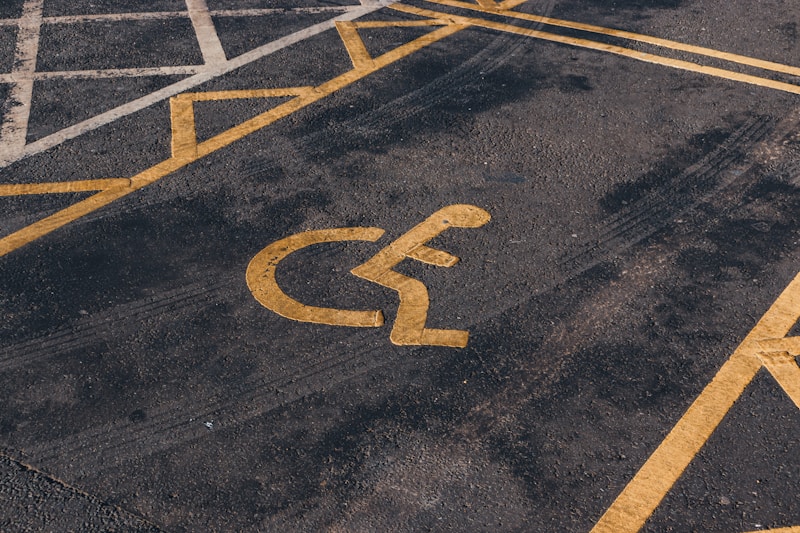
Accessible Parking: Schools vs. Commercial vs. Residential
Accessible parking requirements differ by building type. Schools need accessible bus zones. Commercial needs van spaces. Residential needs...

Accessible Route Design for Campuses and Large Sites
Accessible routes on campuses, medical centers, and multi-building sites require careful path-of-travel planning. Running slopes, cross-slopes,...
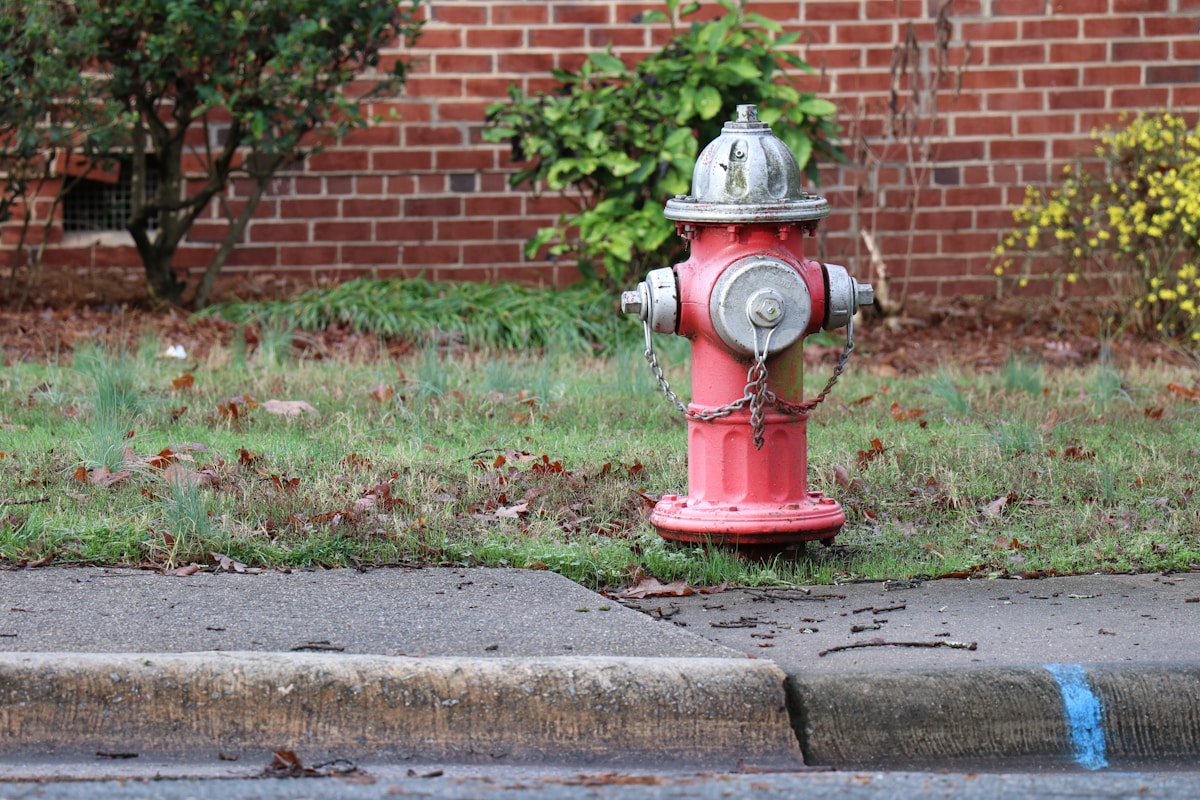
Appendix B vs. Appendix C Fire Flow: When Each Applies
Appendix B is for commercial and multifamily. Appendix C is for one- and two-family dwellings. The distinction drives your fire flow, hydrant...
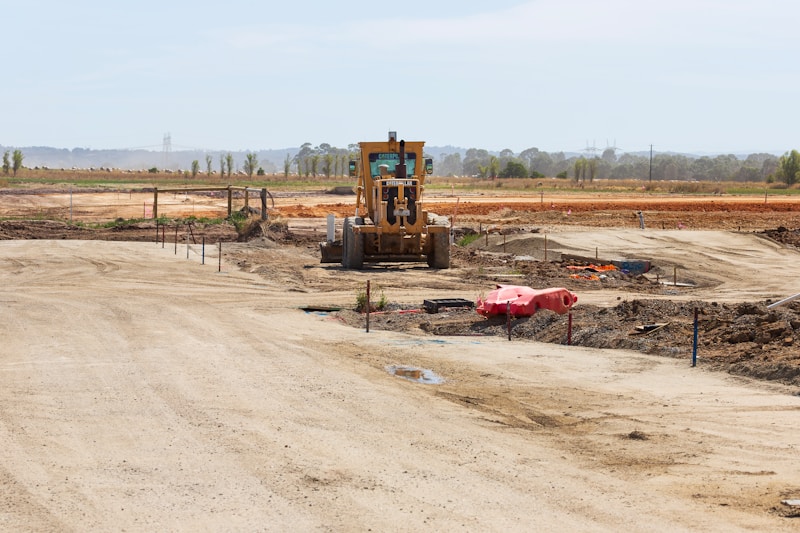
As-Built Drawings: What They Need to Show and Who Prepares Them
As-built drawings document what was actually constructed, not what was designed. Pipe locations, invert elevations, and deviations from the...

What Is a CEQA Exemption and When Does It Apply?
CEQA review can add 6 to 18 months to a project. Categorical and statutory exemptions skip that entirely. Here is when your project qualifies.

Conditions of Approval: How to Read Them and What They Cost
Conditions of approval are not suggestions. They are legally binding requirements that must be satisfied before permits, final maps, or...

Construction Staking: What the Surveyor Needs from Your Plans
The surveyor translates your grading plan into stakes in the ground. Here is what information they need, what they provide, and how to avoid...

Cost Estimating for Site Civil Work: Rules of Thumb
Rough-order-of-magnitude costs for grading, paving, utilities, and stormwater. The unit costs and multipliers that get you to a budget number...
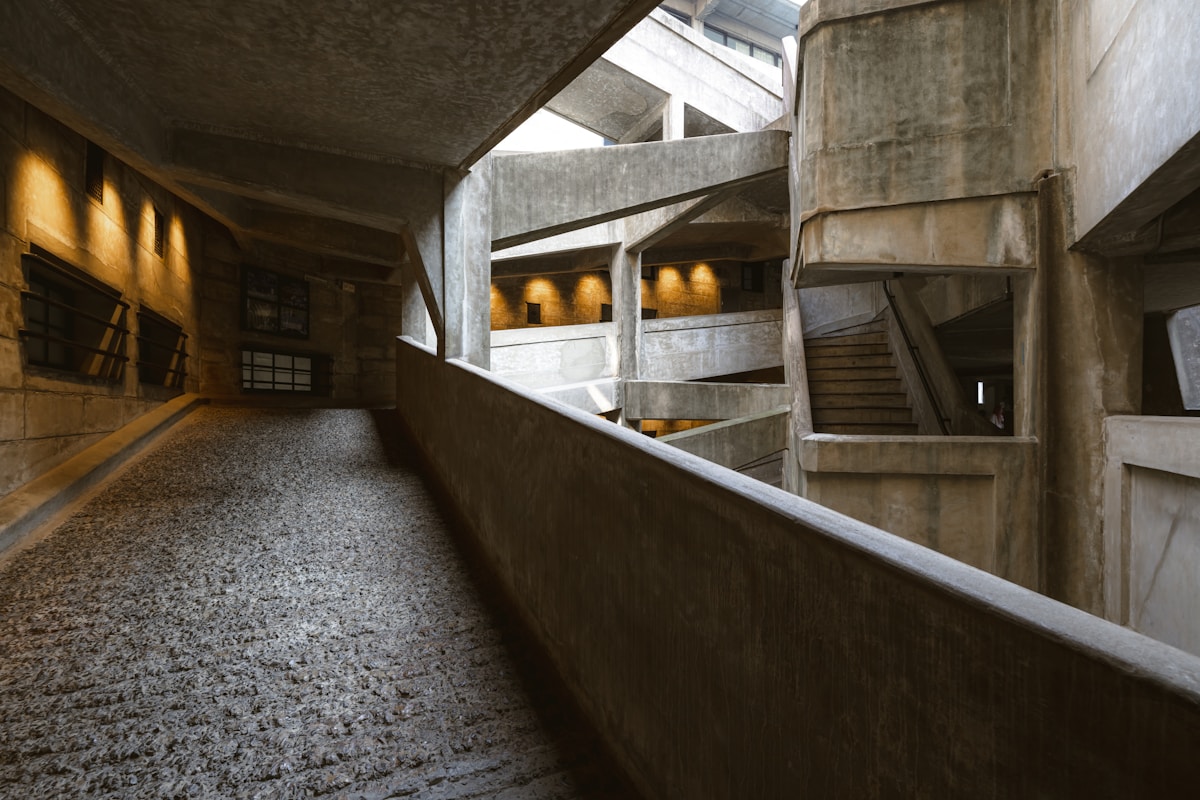
Curb and Gutter Types: Rolled, Barrier, and Mountable
Type A, B, C, rolled curb, barrier curb, mountable curb — which curb profile to use where, and what the standard details actually mean.

Cut and Fill Earthwork Calculations Explained
Cut and fill earthwork calculations determine how much soil moves on your project. Average end area, grid method, and software approaches...

V-Ditch vs. Swale: When to Use Each
V-ditches and swales both convey stormwater, but they serve different purposes. Here is when to use each one, how to...

Trench Drain Selection and Sizing
Trench drains collect sheet flow across wide areas like loading docks, driveways, and parking lots. Here is how to select...
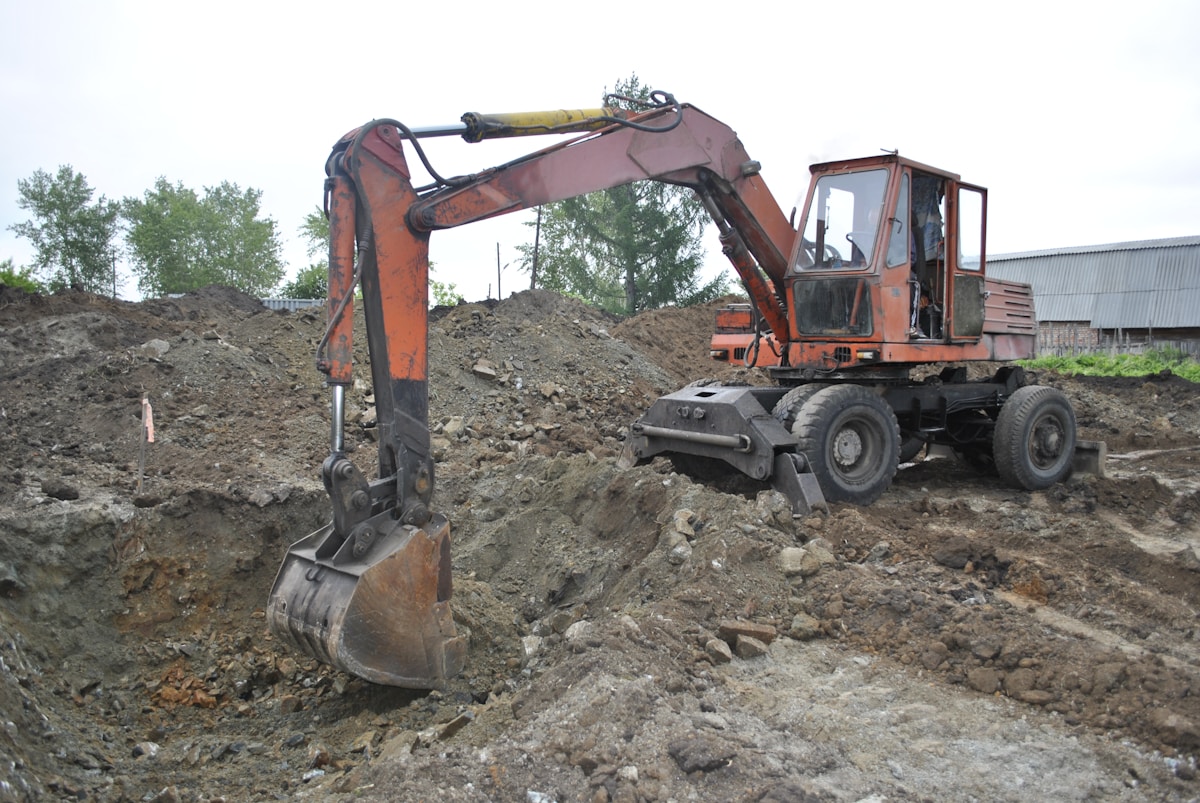
Geogrid Soil Reinforcement: When and How to Use It
Geogrids reinforce soil to build steeper slopes, support retaining walls, and stabilize weak subgrades. Here is when...
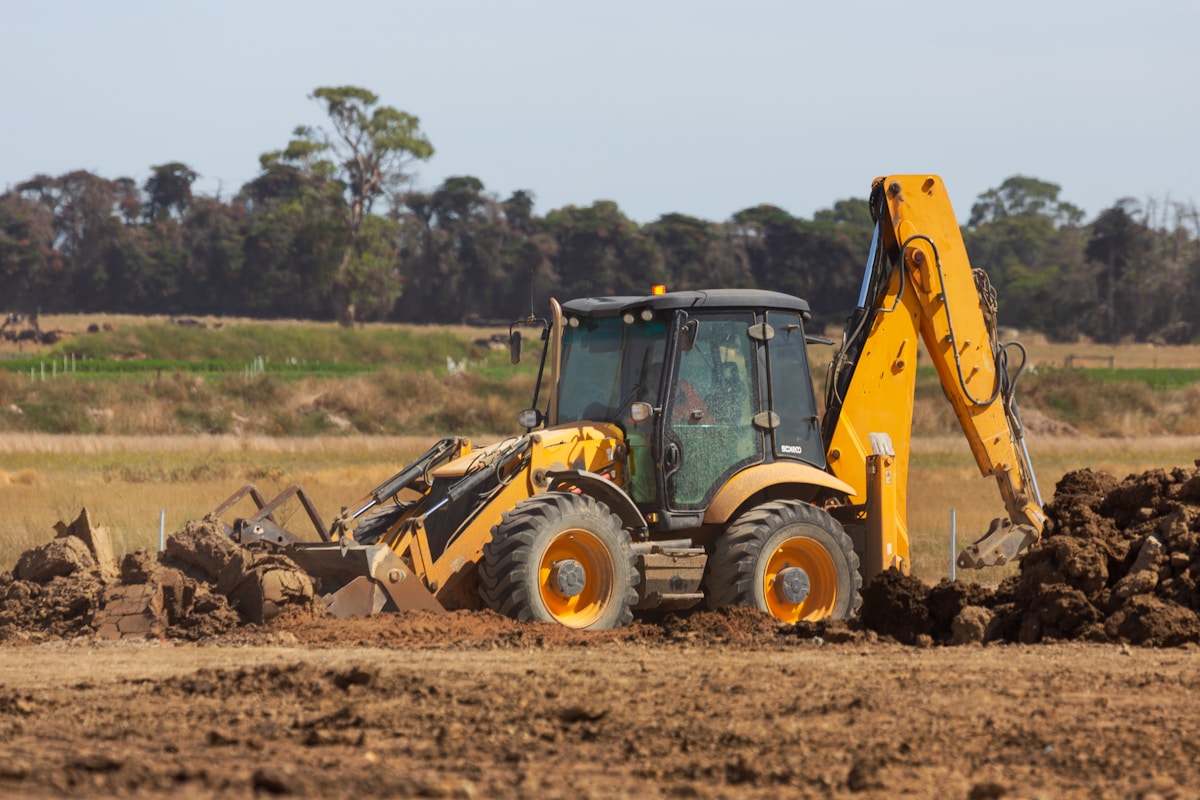
Soil Nail Wall vs. Retaining Wall: Choosing the Right System
Soil nail walls and conventional retaining walls solve the same problem differently. Here is how each system works...
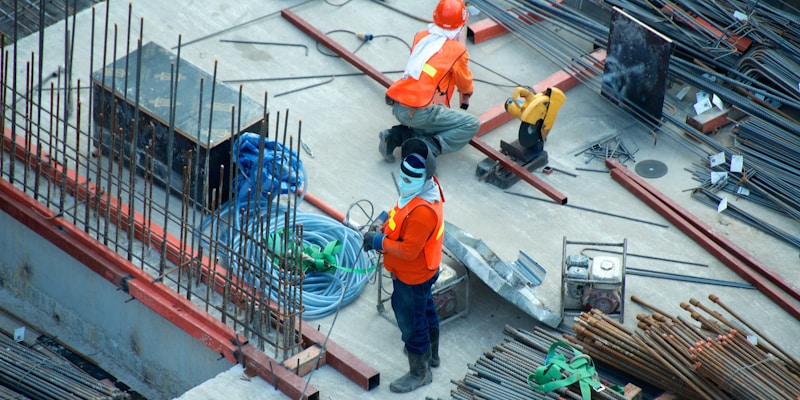
Lot Merger vs. Lot Line Adjustment
Lot mergers combine parcels into one. Lot line adjustments move a boundary between two parcels. Here is how each works...
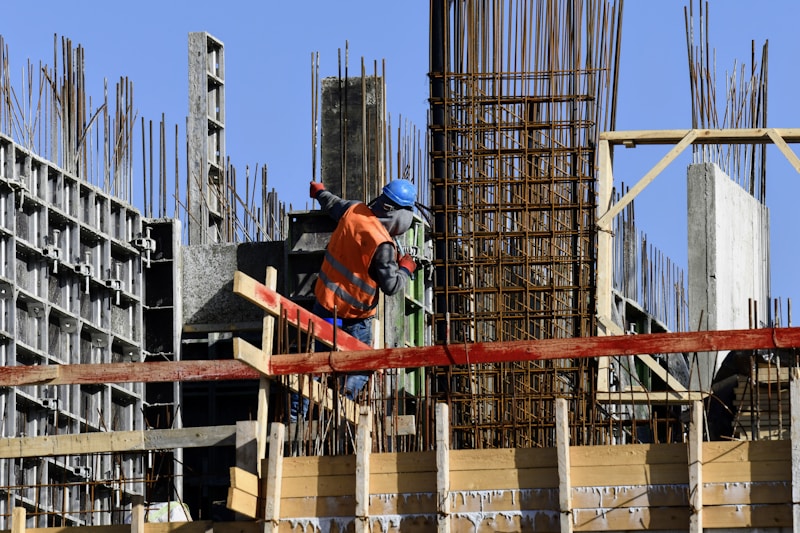
Tract Map vs. Parcel Map: Which Subdivision Map Do You Need?
Tract maps and parcel maps are both subdivision maps, but they apply to different project sizes and follow different...
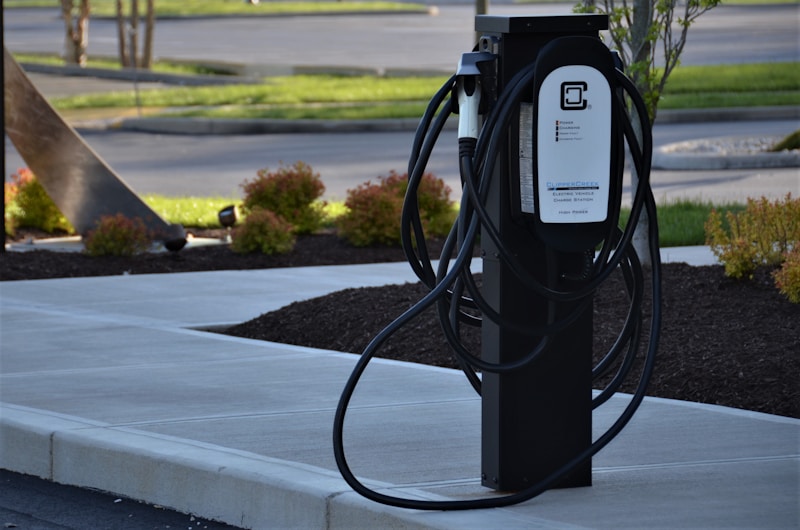
Improvement Plan Requirements for New Development
Improvement plans are the construction documents for public infrastructure: streets, sidewalks, water, sewer, and...

Public Improvement Bond Requirements for Developers
Public improvement bonds guarantee that subdivision infrastructure gets built. Here is how bonds work, the types...
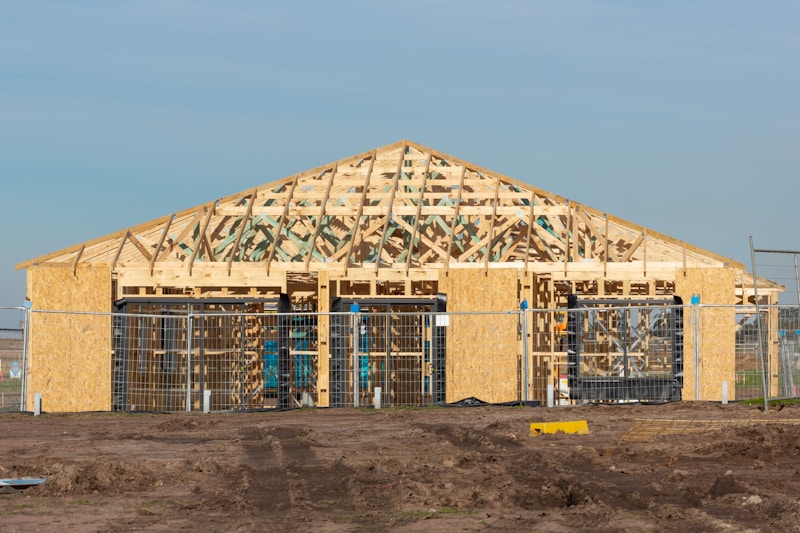
Building Permit vs. Grading Permit: What Is the Difference?
Building permits and grading permits are separate approvals with different scopes, triggers, and review processes...

Variance vs. Conditional Use Permit
Variances and conditional use permits both allow deviations from zoning rules, but they serve different purposes...

Specific Plan vs. General Plan
General plans set city-wide land use policy. Specific plans implement that policy for defined areas with detailed...
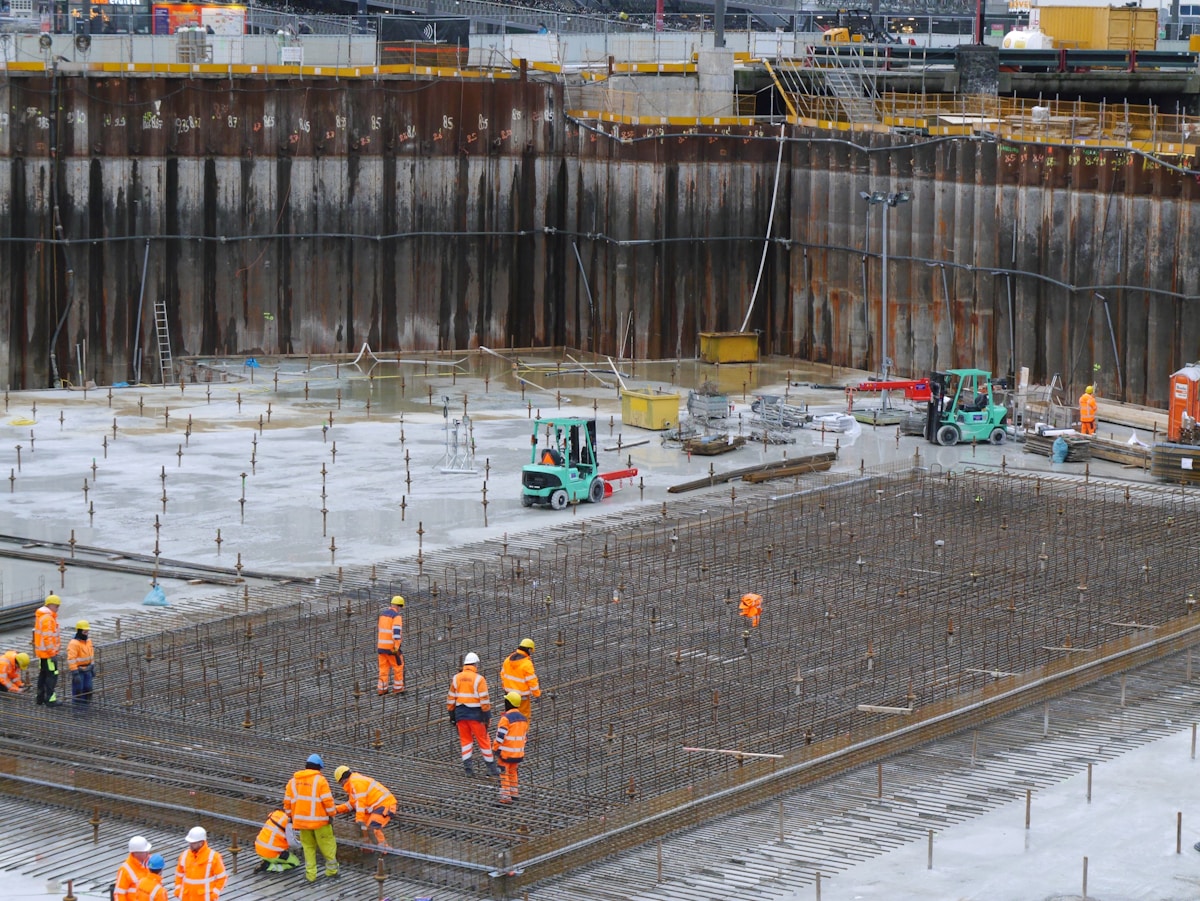
Environmental Impact Report Timeline and Process
Environmental impact reports can take 12 to 36 months to prepare and certify. Here is how the EIR process works...
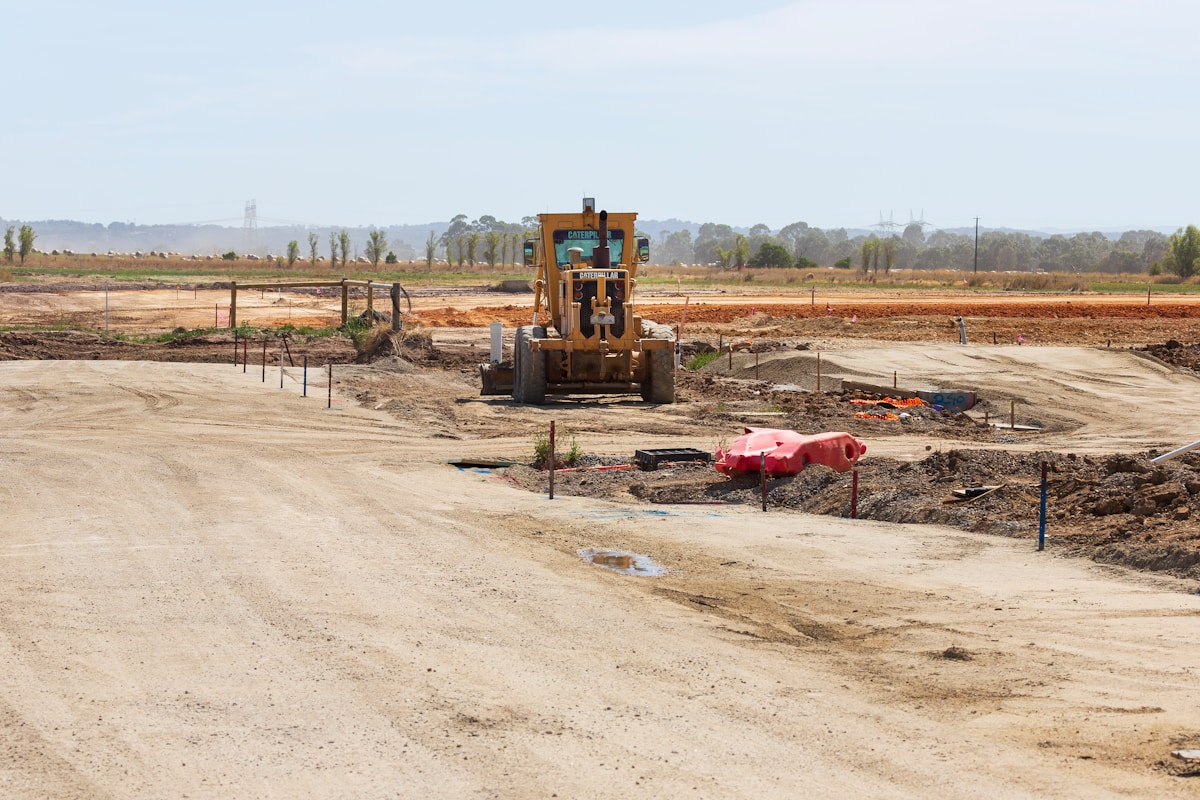
Compaction Testing Requirements and Frequency
Compaction testing verifies that fill soil and backfill meet the density specified in the geotechnical report...

Utility Potholing Before Construction
Potholing exposes buried utilities before construction to verify their exact location. Here is when potholing is...
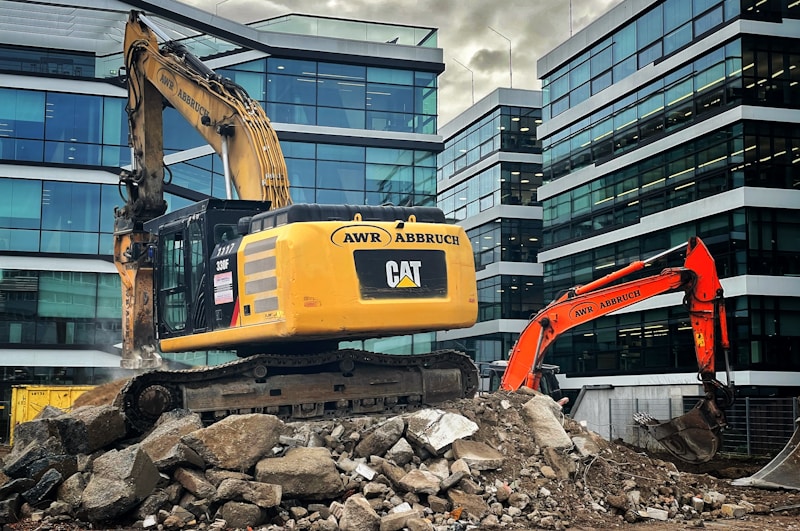
Rough Grading Certification Process
Rough grading certification confirms that earthwork is complete and the site is ready for building construction...

Detention vs. Retention: Which Your Project Needs
Detention stores stormwater temporarily and releases it slowly. Retention stores it permanently. Your permit tells you which one, but the site...
Let's discuss your project
From initial feasibility through construction-ready plans, our team is available to discuss your project scope and timeline.
Most proposals returned within 5 business days.